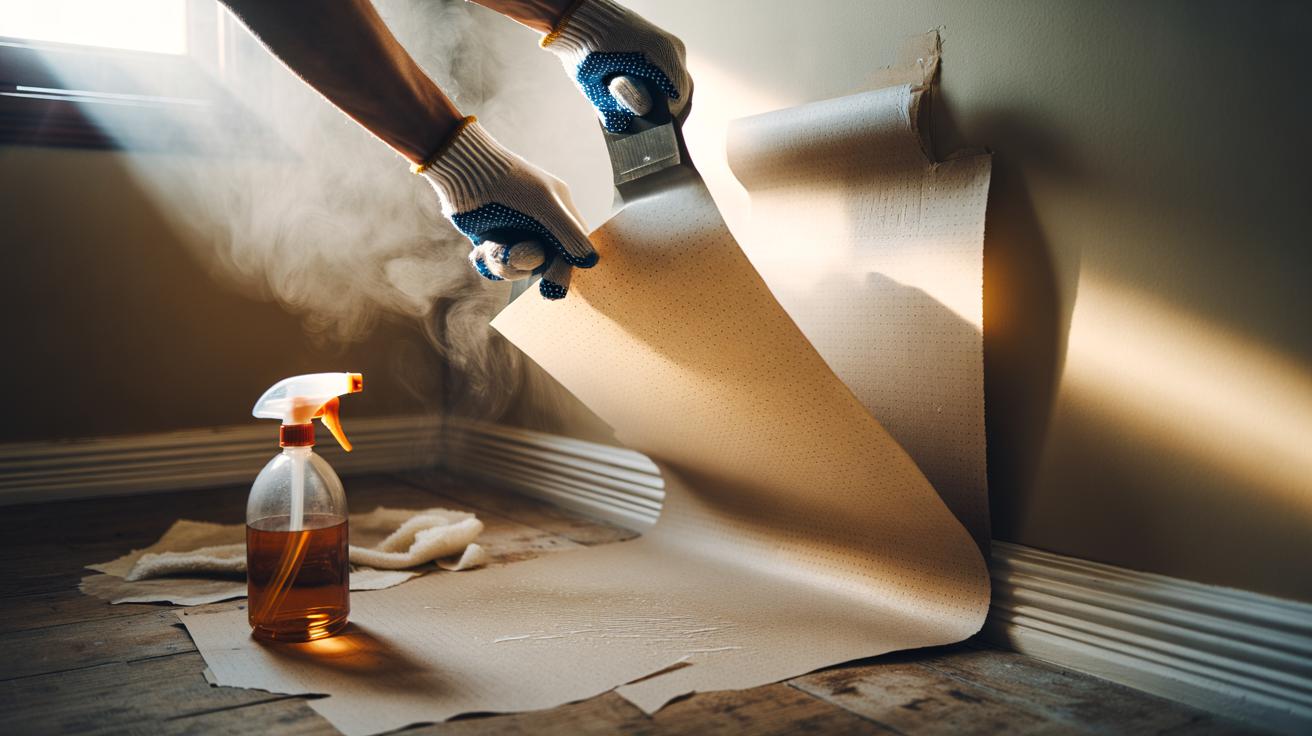
In a nutshell
- 🔬 Why it works: Heat-driven moisture plasticises water-sensitive pastes; a mild dose of acetic acid disrupts hydrogen bonds. Score vinyl to admit vapour; PVA softens with heat, not acid.
- ⚙️ Method: Spray a 1:1 white vinegar–water mix, then apply steam; work in ~1 m sections with 10–20 s dwell; lift with a broad scraper and re-steam instead of forcing.
- 🧰 Tools & safety: 150–200 mm scraper, scoring wheel, gloves, goggles; steamer filled with water only; ensure ventilation, protect electrics, and limit dwell on plasterboard.
- 📊 Effectiveness by type: Plain paper = high; vinyl-coated = medium with scoring; foil/washable = variable; painted-over = low–medium after breaking the paint skin.
- 🧪 Troubleshooting & finish: Use short repeat bursts, re-score blocked areas, clean PVA/grease residues, then let walls dry and prime with a stain-blocking primer for the next finish.
Stripping tired wallpaper need not be a weekend-long ordeal. Home improvers across the UK are rediscovering the speed and thrift of vinegar steam, a pairing that attacks paste bonds at both a chemical and physical level. Heat drives moisture deep into the paper; a mild dose of acetic acid helps unpick the starches and animal glues that have set hard over time. The result is cleaner lifts, fewer gouges in plaster, and less reliance on harsh solvents. The trick is to make moisture work for you—soften, swell, and then slide the paper free. Here’s how and why it works, what to use, and the pitfalls to avoid if you want a swift, damage-free finish.
Why Vinegar Steam Works on Wallpaper Glue
The science is pleasingly simple. Most traditional pastes are based on starch, dextrin, or animal proteins, which are water-sensitive polymers. When warmed, these polymers absorb moisture, swell, and lose rigidity. Moisture is the real solvent here; heat is the accelerator. Steam delivers energy that speeds up diffusion, while a splash of acetic acid in the mix helps cleave some of the hydrogen bonding in aged paste, nudging it back towards a gel state that releases more readily.
With PVA-based adhesives (common on feature walls or painted-over coverings), heat still helps by plasticising the film. The acid component doesn’t dissolve PVA, but it can aid water penetration around the edges of the bond. Vinyl- or foil-faced papers slow everything because their coatings are water-resistant. That is why technicians score or perforate these surfaces, creating micro-channels that admit vapour.
Think of it as a three-part process: penetrate, plasticise, then peel. Penetration gets moisture to the paste, plasticisation weakens cohesion and adhesion, and peeling completes the job with minimal scraping. The better your access for moisture, the fewer gouges in the plaster and the cleaner the substrate for repainting or re-papering.
Step-by-Step Method for Fast and Safe Removal
Start by isolating electrics near switch plates and sockets, and protect floors with towels. Score any vinyl-coated paper lightly; you want perforations, not cuts into plaster. Prepare a hot solution of white vinegar and water in a 1:1 ratio in a spray bottle. If you’re using a rental wallpaper steamer, fill it with clean water only (manufacturers often advise against acids in the tank). Apply hot vinegar to the surface first, then follow with steam to drive it in.
Work in manageable sections, about one metre square. Hold the steamer plate on the wall for 10–20 seconds per spot—longer for older paste—while keeping the plate moving to prevent softening the plasterboard face. As the paste loosens, slip a broad scraper or filling knife under a seam and lift in smooth, shallow passes. If resistance increases, pause and re-steam rather than forcing it.
Repeat the cycle: mist, steam, peel. For stubborn patches, reapply hot vinegar, wait two minutes, and steam again. Patience beats pressure; the goal is to coax the bond apart, not chisel it. Collect debris as you go to keep the floor dry and safe, and keep rooms ventilated to carry off acetic vapour and moisture.
Tools, Ratios, and Safety Considerations
A few well-chosen tools and proportions make the process cleaner and quicker. Use a 1:1 vinegar-to-water spray for direct application, and only water in powered steamers unless the manufacturer explicitly permits additives. Equip yourself with a 150–200 mm scraper, a scoring wheel for vinyl, nitrile gloves, and safety goggles. Ventilation is essential; warm, damp air needs a route out to prevent condensation. Protect skirting and sockets with low-tack tape and polythene, and place absorbent towels beneath work areas.
Keep contact times short on plasterboard (drywall) to avoid delamination, and never steam directly over live electrics. After stripping, wash walls with warm water to remove residual acetic acid and paste, then allow to dry thoroughly before priming. Below is a quick reference for common coverings and best tactics.
| Wallpaper Type | Typical Adhesive | Vinegar Steam Effectiveness | Tip |
|---|---|---|---|
| Plain paper | Starch/dextrin | High | 1:1 spray + steady steam; lifts in sheets |
| Vinyl-coated | Starch or PVA | Medium | Score first to admit moisture |
| Foil or washable | Strong starch/PVA | Variable | Heavy scoring; longer dwell |
| Painted-over paper | PVA film | Low–Medium | Break paint skin; re-steam cycles |
When Steam Alone Is Not Enough: Troubleshooting and Alternatives
Some adhesives become glassy with age, especially where rooms have cycled through damp and dry seasons. If sections refuse to budge, switch to shorter, repeated steam bursts and re-score to open pathways. Stubborn bonds usually signal blocked moisture access, not insufficient heat. Where distemper or friable plaster lurks beneath, throttle back the dwell time and use a sharper, smaller blade to minimise surface disturbance.
Painted-over wallpapers can behave like laminate. Slice diagonal grids through the paint film, mist with hot vinegar, and steam again after two minutes. If you hit shiny PVA residue after removal, scrub with warm water and a little washing-up liquid; rinse and allow to dry. Dedicated enzyme removers can help on animal glues; sugar soap solutions cut through greasy kitchen films that repel water.
Before redecorating, lightly sand high spots, vacuum the dust, and seal with a stain-blocking primer. A clean, neutral, and dry substrate is the best insurance for your next finish. If time is tight or walls are large, consider hiring a professional steamer with a larger plate to deliver more uniform heat across each pass.
Vinegar steam is a thrifty, low-toxicity route to freeing walls from dated paper, marrying the physics of heat and moisture with the mild chemistry of acetic acid. With smart scoring, careful dwell times, and a brisk peel, you preserve plaster and finish the job faster, often in satisfying, sheet-sized lifts. Clear up with a fresh-water wash, then let the surface dry before priming for paint or new paper. Let moisture do the heavy lifting, and your scraper becomes a guide rather than a chisel. Which room will you liberate first, and what challenges in your home’s wall history are you planning to tackle?
Did you like it?4.5/5 (27)