In a nutshell
- 🔥 Heat softens sticker glue: warming pressure‑sensitive adhesives lowers viscosity and pushes them toward the glass transition temperature (Tg), reducing shear and enabling cleaner peels.
- 🧪 Hot vinegar boosts removal: heat plus acetic acid disrupts adhesive–surface bonds and swells tackifiers, often outperforming harsh solvents on common household materials.
- 🧰 Step-by-step method: heat vinegar to ~60–70°C, soak a cloth, press 1–3 minutes, peel slowly at a low angle, reapply as needed, then rinse and use washing‑up liquid; test delicate plastics and never heat sealed containers.
- 🧷 Surface compatibility: excellent on glass and glazed ceramic, good on stainless steel, use caution on finished wood and plastics, and avoid natural stone which acids can etch.
- ⚠️ Safety and alternatives: keep temperatures touch‑safe, don’t mix vinegar with bleach, avoid soaking electronics; try heat alone, isopropyl alcohol, or cooking oil when vinegar isn’t suitable.
Price labels welded to new glassware, books or electronics can be infuriating, leaving gummy residue and torn paper. A simple kitchen trick—applying hot vinegar—often lifts them cleanly. Heat softens the sticker’s pressure‑sensitive adhesive, while vinegar’s mild acidity loosens the bond to the surface and the paper face. Used carefully, this method is cheap, low‑odour and kinder to many materials than harsh solvents. It also offers a small masterclass in polymer behaviour: how warmth lowers viscosity and how polarity matters when breaking adhesive interactions. Below, we explain the science, outline a safe method, and show where hot vinegar shines—and where it doesn’t.
Why Heat Softens Sticker Glue
Most retail labels use pressure‑sensitive adhesives (PSAs)—rubbery polymers blended with tackifiers and plasticisers. These behave like soft glass at room temperature, flowing just enough to wet a surface. Warmth pushes the adhesive closer to or past its glass transition temperature (Tg), lowering viscosity and boosting chain mobility. In plain terms, the glue becomes runnier and less stubborn, so mechanical peeling exerts less shear stress and causes fewer paper tears.
The paper layer of a sticker absorbs a little moisture and heat, relaxing fibres so it lifts in larger pieces. On smooth, non‑porous surfaces—glass, glazed ceramic, steel—this softening effect is dramatic because the adhesive can’t “key” into pores. Gentle heat reduces residue and the risk of scratching from impatient scraping. Add the right chemistry, and removal becomes almost effortless.
Why Hot Vinegar Works Better Than Heat Alone
Vinegar is a dilute solution of acetic acid in water. When warmed, it offers two advantages. First, heat reduces adhesive viscosity; second, acetic acid’s polarity helps disrupt secondary bonds between the glue and the surface, especially on glass and glazed finishes. It can also swell or partially solvate the tackifying resins at the glue’s interface, undermining “grab”. This tandem of warmth and mild acidity speeds penetration through the paper layer and lifts labels in broader, cleaner sheets.
Compared with solvents like acetone or lighter fluid, hot vinegar is gentler on finishes and safer indoors. It’s not universal—very glossy wood lacquers, natural stone and some reactive metals can react poorly to acidity. But for kitchen jars, mugs, picture frames and steel utensils, it’s a pragmatic first resort. Think of it as a targeted nudge to the adhesive’s chemistry rather than a brute‑force strip.
Step-By-Step Method: Using Hot Vinegar Safely
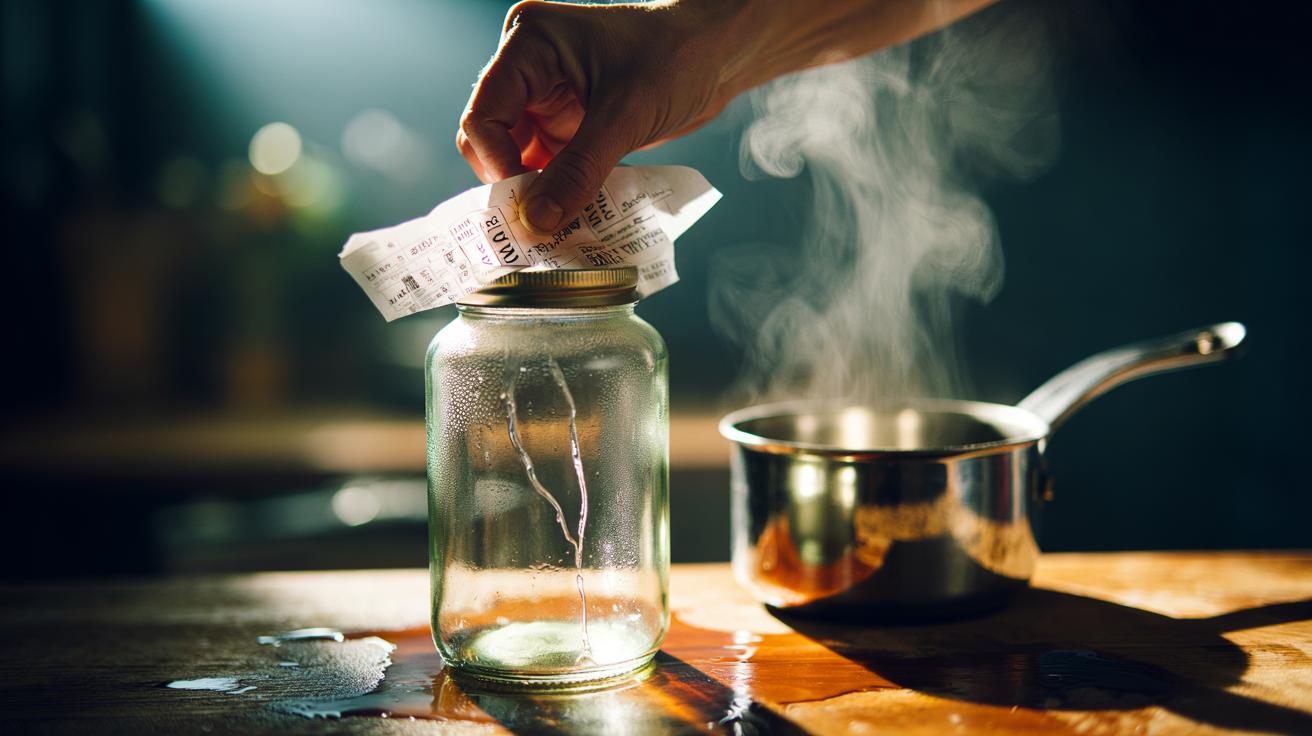
Warm a small bowl of white vinegar until hot but not boiling—about 60–70°C is ample. Never heat vinegar in a sealed container. Soak a folded paper towel or clean cloth, wring lightly, then press onto the sticker for 1–3 minutes. The heat and acidity migrate through the paper and into the adhesive. Gently lift a corner with a fingernail or a plastic scraper, keeping the cloth in contact as you peel slowly at a low angle. If resistance builds, re‑soak and pause.
For stubborn residue, reapply hot vinegar and wipe while warm; spiral motions prevent smearing. On plastics, shorten contact time and test first—some blends haze with acids and heat. Always trial on an inconspicuous spot if finishes are delicate, and avoid natural stone such as marble or limestone. Rinse with warm water, then dry. A drop of washing‑up liquid in the final wipe removes lingering odour and any oily trace from the original adhesive mix.
Surfaces, Adhesives, and Temperatures at a Glance
Different substrates and glues respond uniquely. As a rule, non‑porous, heat‑tolerant surfaces give the cleanest results, while porous or acid‑sensitive materials demand caution. Use the table below to decide whether hot vinegar is a good first attempt or if alternatives—like a hairdryer, isopropyl alcohol, or a small amount of cooking oil—might suit better. If in doubt, start with heat alone and escalate gently.
Keep temperatures comfortable to touch; boiling liquid risks scalds and warping plastics. For electronics, never soak—apply heat and a lightly dampened swab only. Do not mix vinegar with bleach or strong cleaners. When labels use acrylic‑rich adhesives—common on glassware—hot vinegar excels. Rubber‑based blends, often on cardboard, may prefer brief heat plus oil to break hydrophobic interactions, followed by a soapy wash.
| Surface | Hot Vinegar Suitability | Notes |
|---|---|---|
| Glass, glazed ceramic | Excellent | Minimal risk; wipe and rinse after. |
| Stainless steel | Good | Rinse to prevent streaks. |
| Finished wood | Caution | Test first; avoid pooling. |
| Plastics (ABS, PC) | Variable | Short contact; monitor for haze or softening. |
| Natural stone (marble, limestone) | Poor | Acid etches; use heat and oil instead. |
Hot vinegar turns a fiddly job into a neat, almost satisfying clean‑off by marrying thermal softening with a touch of acidic disruption. It respects most household surfaces, limits fumes, and saves resorting to aggressive solvents. The method still rewards patience: measured heat, brief soaks, gentle peeling and a prudent test patch. With a little care, you can retire the razor blade and keep your finishes pristine. Where might this approach save you the most time—rescuing charity‑shop glass finds, removing barcodes from gifts, or de‑labelling storage jars—and which surface challenges would you like tested next?
Did you like it?4.7/5 (23)