In a nutshell
- 🔥 Heat softens viscoelastic adhesives, lowering peel force near their Tg and enabling cleaner release with gentle, sustained warmth.
- 🫗 Method: fill a bottle to 60–70°C, wrap in a towel, apply 5–10 minutes, then use a low, 180-degree peel, reapplying heat if resistance returns.
- 🧪 Adhesive types matter: acrylic PSAs release at 40–60°C, rubber-based soften quickly but can smear, casein/starch respond to warm soaks, while UV-cured need higher heat or solvents.
- 🧰 Substrate and safety: test sensitive plastics, avoid boiling in old bottles, insulate surfaces, and use a plastic scraper to protect finishes while maintaining steady heat.
- 🌿 If heat isn’t enough: use rapeseed oil, isopropyl alcohol, warm soapy soaks, or a hairdryer/steam, then wash with hot, soapy water for residue-free reuse.
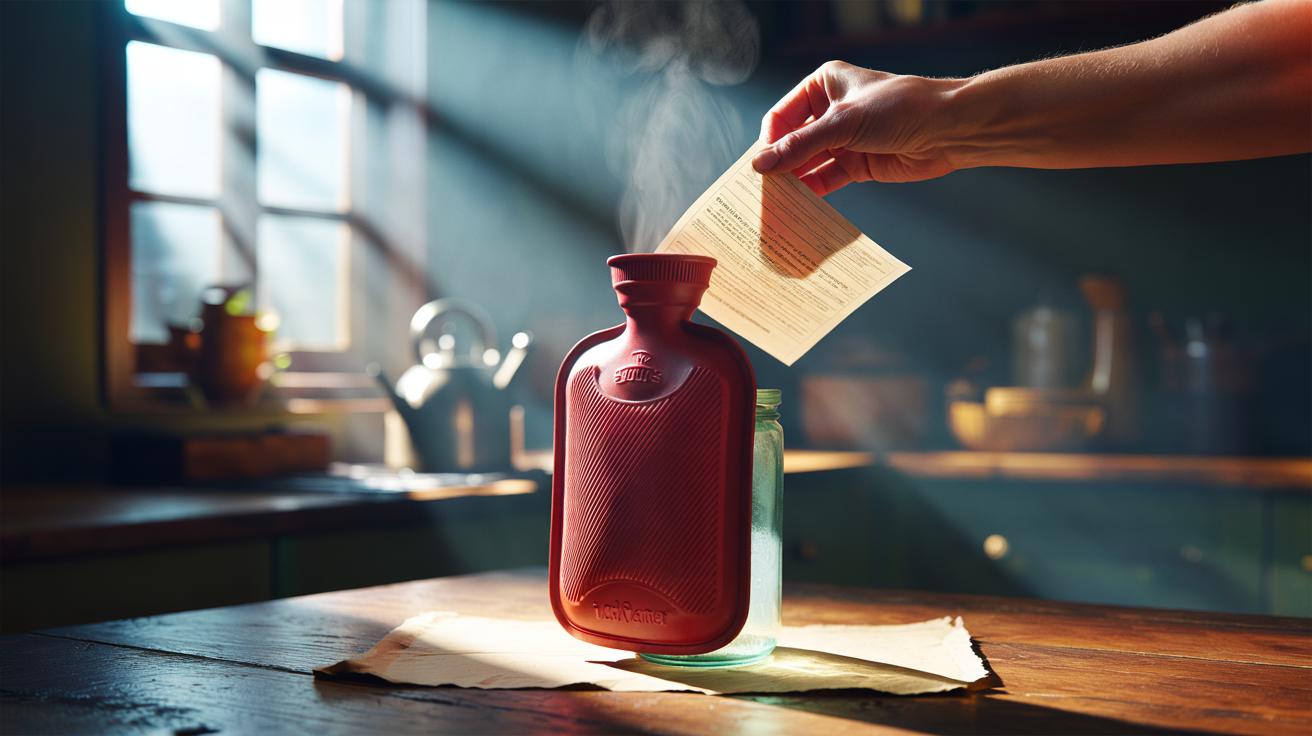
There’s a small domestic victory that never loses its shine: coaxing a stubborn label from a jar or bottle in one smooth piece. Across British kitchens, the quiet hero is the hot water bottle. Set it on the sticker, wait a few minutes, and peel—no tearing, less residue, minimal fuss. This isn’t magic; it’s materials science at work. Heat loosens the bond in many pressure-sensitive adhesives, changing how they grip surfaces. Gentle, sustained warmth can encourage a clean release without chemicals or scraping, making the technique thrifty, tidy, and kinder to the planet as you prepare containers for reuse.
Why Heat Makes Labels Let Go
Most labels rely on viscoelastic glues—substances that behave both like a liquid and a solid. At room temperature they’re tacky enough to cling, with polymer chains that form temporary bonds to glass or plastic. Introduce heat and those chains gain mobility. The adhesive’s glass transition temperature (Tg) becomes pivotal: warming it nudges the material toward a softer, more fluid state, reducing peel force and making the bond easier to disrupt. In essence, heat lowers the adhesive’s stiffness and cohesion just enough to lose its firm grip while you lift the edge.
There’s also a mechanical twist. Labels and bottles expand at different rates, subtly stressing the interface. That mismatch, combined with a warmed, less viscous glue, lets you peel at a shallow angle with fewer tears. Steady, moderate heat reduces residue by preventing the adhesive from fracturing. Short, intense blasts can smear glue or warp plastics, while consistent warmth encourages an intact release—precisely where a hot water bottle shines.
How to Use a Hot Water Bottle Safely
Fill the bottle with water around 60–70°C (from a recently boiled kettle topped up with cold). Wrap it in a thin tea towel to spread heat evenly, then press it over the label for a dwell time of 5–10 minutes. Start a corner with a fingernail or plastic scraper and peel slowly, maintaining a low, 180-degree peel back on itself. This low angle concentrates force at the edge and limits tearing. If resistance returns, reapply heat for another minute and continue.
Protect sensitive plastics by testing a hidden spot first. Never use boiling water directly in a perished or old bottle, and keep hot surfaces away from children and varnished worktops. For thick glass jars, longer warming helps; for thin plastics, shorter cycles prevent warping. If residue remains, dab with cooking oil to loosen the softened adhesive, then wash with hot, soapy water. A final pass with isopropyl alcohol will remove any oily film.
Adhesive Types and Temperatures That Matter
Not all labels respond equally. Water-based acrylic PSAs commonly used on jars and cosmetics tend to release with gentle heat. Rubber-based hot-melt adhesives soften quickly but can leave a gummy trail. Paper bottle labels fixed with casein or starch glues often surrender after warm soaking. Hardened, crosslinked systems—some solvent acrylics or UV-cured coatings—need higher temperatures and may still be stubborn. The substrate matters too: glass tolerates heat well, while some plastics creep or whiten. Use the ranges below as a practical guide and adjust exposure times to suit label thickness.
| Adhesive Type | Common Use | Softening/Release Range | Notes |
|---|---|---|---|
| Acrylic PSA (water-based) | Food jars, cosmetics | 40–60°C | Clean peel likely with steady heat |
| Rubber-based hot-melt | Shipping labels, promo stickers | 35–50°C | Softens fast; may leave residue |
| Casein/starch (water-activated) | Beer/wine paper labels | Warm soak 40–60°C | Soaking often best; peels in sheets |
| Crosslinked/UV-cured | High-durability labels | 70–100°C+ | Heat helps, but full removal may need solvents |
Match the treatment to the chemistry. If a label lifts cleanly when warm but smears when hot, you’ve exceeded the sweet spot—dial back temperature or shorten cycles. Age plays a role: older adhesives “cold-flow,” increasing contact over time and requiring longer warmth. Face stocks with plastic films insulate the glue; give them extra minutes so heat penetrates. With glass, you can press the hot water bottle from inside the vessel to warm the bond from both sides.
When Heat Is Not Enough: Alternatives and Troubleshooting
If peeling stalls or residue persists, switch tactics. For paper labels, a warm, soapy soak loosens water-activated glues; add a teaspoon of bicarbonate to lift inks. For gummy trails, rub in a little rapeseed oil or peanut butter to dissolve tack, then wash. On glass, isopropyl alcohol or methylated spirits clears the last film. Test all solvents on plastics—some haze or crack certain polymers. A plastic scraper edges off softened glue without scratches; avoid metal on coated surfaces.
Prefer dry methods? A hairdryer on low gives controlled warmth; steam from a kettle spout works but mind the scald risk and condensation near electrics. Crosslinked, high-tack labels may never peel pristinely; accept a two-step approach: heat to lift the face stock, then solvent for residue. Patience beats force—slow peels at a low angle reduce tearing and mess. Finish by washing with hot, soapy water so containers are ready for reuse, storage, or immaculate recycling.
Low-tech and low-risk, the humble hot water bottle turns label removal into a neat, almost meditative ritual. By applying controlled warmth, you harness polymer physics to weaken a bond without harsh chemicals, helping jars and bottles enjoy a second life in cupboards or craft corners. It’s frugal, eco-minded, and friendly to most materials—especially glass. The secret is steady heat, a shallow peel, and a little patience. Which labels have tested your mettle lately, and what clever tricks—besides the hot water bottle—have earned a place in your own de-labelling toolkit?
Did you like it?4.5/5 (21)