In a nutshell
- 🔬 Tarnish forms when silver reacts with sulphur compounds, creating silver sulphide (Ag2S), a black film accelerated by humidity and urban air.
- ⚡ Hot water, aluminium foil and bicarbonate create a galvanic cell that drives a redox reaction, reducing Ag2S back to metallic silver while aluminium oxidises.
- 🧪 Method: line a non-metal dish with aluminium foil, add 80–95°C water and bicarbonate of soda (1–2 tbsp/L), submerge silver touching the foil, then rinse and dry.
- ⚠️ Avoid use on worn silver-plate, heat- or moisture-sensitive gems, glued settings, and deliberate patinas; never mix with bleach or ammonia.
- 🛡️ Prevention matters: wear and dry pieces, store with anti-tarnish materials, and consider professional care for museum-grade or heirloom items.
Britons have long sworn by a kitchen-table trick that makes blackened silver gleam again: hot water, a sheet of aluminium foil and a spoonful of bicarbonate of soda. It looks like a parlour stunt, yet it’s grounded in solid chemistry. Instead of scouring away metal with polish, the mix triggers a redox reaction that reverses tarnish at the surface. Silver dulled by the sulphurous air of homes, buses and seaside towns can be bright in minutes. This is a non-abrasive, low-cost method that often rescues detail on delicate pieces, but it rewards a little knowledge—of heat, electrolytes and when to leave antiques to professionals.
Why Silver Tarnishes in the First Place
Pure silver is relatively noble, yet it is not immune to everyday atmospheres. Tarnish forms when silver encounters sulphur compounds—most infamously from hydrogen sulphide in polluted air, traces from rubber bands, wool, certain foods such as eggs and onions, and even some felt-lined drawers. The reaction produces silver sulphide (Ag2S), the thin black film that mutes lustre and obscures crisp engraving. Humidity accelerates the chemistry; skin oils add to the film, and urban air can speed it along. That is why jewellery worn often will sometimes tarnish unevenly, and unused tableware left in cupboards can darken over months.
Unlike oxide layers that polish relatively easily, silver sulphide can be more stubborn and, when mechanically removed, risks removing precious metal with it. Every abrasive rub literally takes away a whisper of silver, softening hallmarks and chasing. The appeal of the hot-water-and-foil approach is that it restores silver without scrubbing. Properly done, it converts Ag2S back to metallic silver, lifting the film rather than grinding it off, and it does so remarkably quickly for lightly tarnished pieces.
The Science Behind Hot Water and Foil
The method hinges on a galvanic cell created between aluminium foil and silver in a warm, mildly alkaline solution. Aluminium is less noble than silver; place the two in contact via an electrolyte—typically hot water with bicarbonate of soda (sodium bicarbonate)—and you invite a sacrificial reaction. In essence, aluminium oxidises while the silver sulphide is reduced. A simplified way to view it: Ag2S on the surface becomes Ag, while aluminium takes on the sulphur and oxygen to form aluminium compounds. Heat speeds ion movement, so near-boiling water makes the process brisk.
You might picture a reaction such as 3Ag2S + 2Al → 6Ag + Al2S3, though in real baths you’ll also find aluminium hydroxides and mixed species. The bicarbonate doesn’t “clean” as a detergent; it stabilises pH and helps carry ions. The magic is not in abrasives but in electrons moving across a short-lived galvanic bridge. That is why the foil must touch or closely surround the silver in the solution. The process often produces a faint sulphurous odour and a grey film on the foil—evidence the tarnish has been lifted, not smeared.
Step-By-Step Method for Home Use
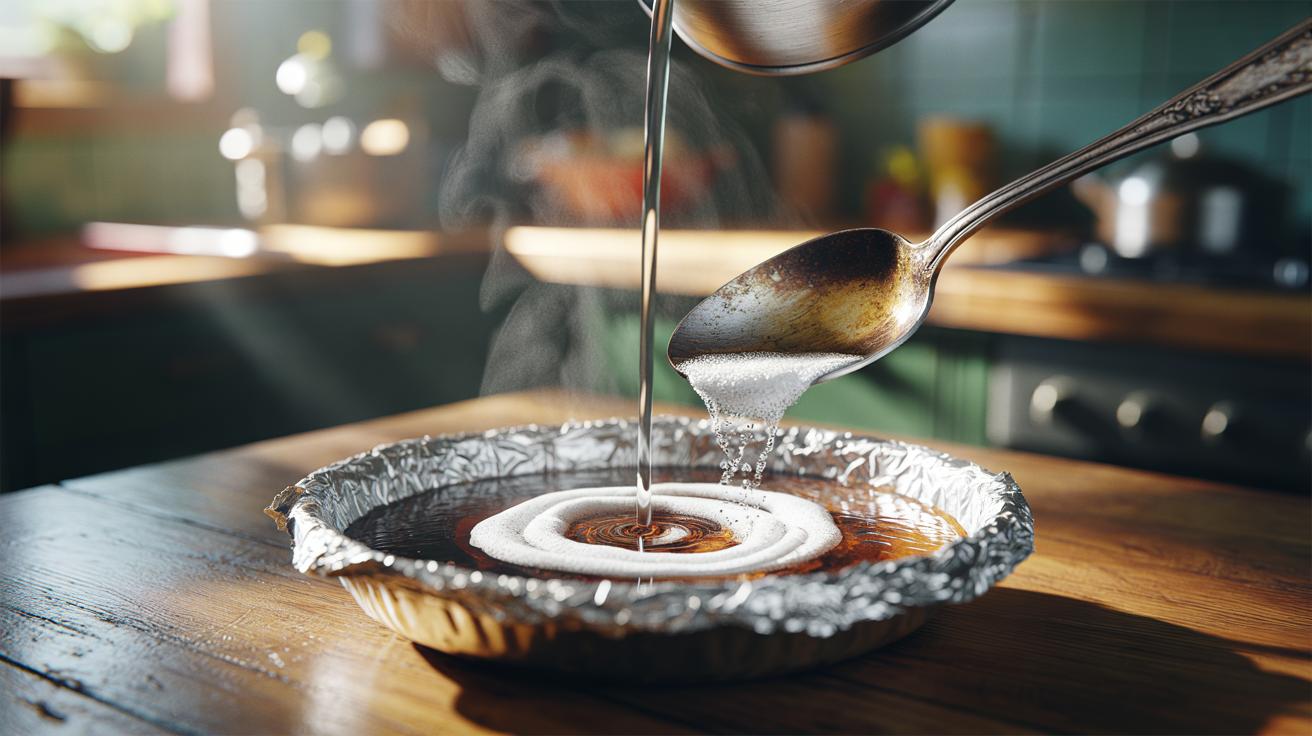
Line a glass or ceramic dish with aluminium foil, shiny side up. Boil a kettle and let the water sit for a moment; you want very hot water, around 80–95°C, not a rolling boil that might stress stones or solder. Add bicarbonate of soda—about one to two tablespoons per litre—and stir to dissolve. Submerge the silver so it touches the foil, ensuring all tarnished surfaces have line of sight to the metal. Within minutes, the dark film should fade. For heavy tarnish, refresh with new hot solution and clean foil. Rinse thoroughly in warm water and dry with a soft, lint-free cloth.
Do not use a metal pan, and never mix this method with bleach or other cleaners. Keep chains untangled to avoid abrasion and avoid piling pieces on top of each other. If a subtle warm hue remains, a gentle final buff with a non-abrasive silver cloth can restore brightness without cutting into the metal. Store cleaned items dry and wrapped in acid-free tissue or anti-tarnish bags to slow the next cycle.
| Component | Amount/Setting | Role |
|---|---|---|
| Aluminium foil | One sheet, shiny side up | Sacrificial metal that drives the redox reaction |
| Hot water | 80–95°C | Provides heat to speed ion transfer |
| Bicarbonate of soda | 1–2 tbsp per litre | Electrolyte and pH buffer |
| Optional table salt | 1 tsp per litre | Boosts conductivity; not essential |
| Non-metal dish | Glass or ceramic | Prevents stray galvanic couples |
| Soft cloth | — | Drying and gentle buffing |
Safety, Pitfalls, and When to Avoid the Trick
Although elegant, this is not a universal fix. Avoid the method for silver-plated items with worn spots; the reaction can highlight base metal and patchy plating. Steer clear of pieces set with porous or heat-sensitive gems—pearls, opals, turquoise, coral—or anything glued rather than bezel-set, as hot water can loosen adhesives. Oxidised jewellery designed with deliberate black recesses will lose that artistic patina. If in doubt, test a hidden area or consult a jeweller before committing a family heirloom to the bath.
Mind your chemistry. Do not combine with chlorine bleach or ammonia-based cleaners. Use fresh bicarbonate, not caustic soda, and dispose of the cooled solution down the sink with plenty of water. For museum-grade silver, where historic patina is part of its value, professional conservation is prudent. Routine prevention helps: wear pieces, dry them after use, and store them with anti-tarnish strips. Prevention slows sulphide formation, meaning fewer interventions and less risk over a lifetime.
The kitchen-foil method feels folkloric, but it is a tidy demonstration of electrochemistry in everyday life—and a welcome alternative to grinding away at prized cutlery and jewellery. When heat, aluminium and bicarbonate align, electrons do the polishing for you, lifting silver sulphide back to bright metal with minimal effort. Used judiciously and safely, it restores lustre in minutes and preserves crisp detail. As the price of silver and sentiment climbs, how will you balance at-home chemistry with professional care—and which pieces in your collection deserve each approach?
Did you like it?4.6/5 (27)