In a nutshell
- 🧪 Explains why essential oils last longer: heavier molecules, hydrophobic cling to surfaces, and structured top–middle–base evaporation; alcohol and carriers improve diffusion.
- 🌿 Guides herb and oil selection: rosemary, thyme, lavender for the backbone, anchored by vetiver, cedarwood, patchouli; balance fleeting citrus tops for lasting blends.
- 🛠️ Provides DIY methods with ratios: room sprays using ethanol and solubiliser, scented gels with glycerin, gentle simmer pots, and reed diffusers with proper carriers.
- 🧷 Extends longevity with fixatives and carriers: benzoin, labdanum, orris root; use fractionated coconut or DPG to regulate evaporation and sustain scent.
- 🛡️ Emphasises safety and storage: small batches, amber glass, clear labels, cool dark storage, and pet-aware choices to keep freshness without irritation.
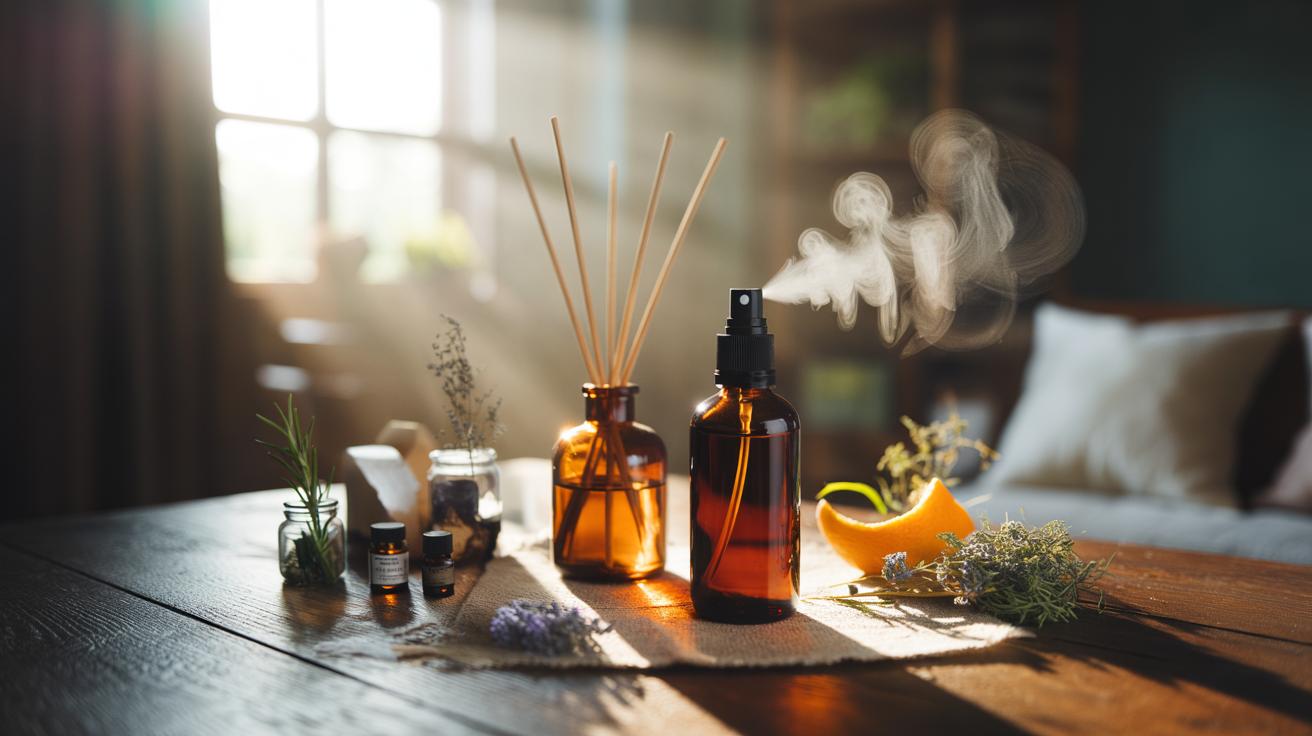
Britons are rediscovering the quiet charm of homemade scent, swapping aerosol blasts for botanical calm. Crafted with garden herbs and concentrated essential oils, these DIY air fresheners can be tailored to mood, season and even room size. Small adjustments to ingredients dramatically change how long a fragrance lingers, and the science is surprisingly approachable. This guide explains why essential oils outlast simple herb infusions, how to blend woody base notes with zesty tops, and the best methods for sprays, gels, simmer pots and reed diffusers. With a few cupboard staples, you can build a greener alternative to synthetic fragrances and keep your home smelling fresh for weeks rather than hours.
The Chemistry Behind Scent Longevity
Essential oils persist because of their molecular makeup and how those molecules behave in air. Lighter compounds such as monoterpenes (think limonene in citrus) evaporate fast, giving the first hit of freshness. Heavier sesquiterpenes and resinous constituents hang back, binding to surfaces and releasing slowly, which elongates the scent trail. In practical terms, a blend rich in heavier molecules always lasts longer than one dominated by featherweight notes. Oils are also hydrophobic, so they form micro-droplets that stick to porous fibres—curtains, lampshades, paper—creating a reservoir that tops up the air over time.
Synergy matters. In a water-based spray, adding a little ethanol or a solubiliser disperses oils evenly, improving diffusion. In oil-based diffusers, a low-volatility carrier oil slows evaporation, giving sustained release. Perfume logic applies: top, middle and base notes work in sequence. Rosemary’s camphor brightens first, lavender bridges the gap, and vetiver or benzoin anchors the finish. Temperature, airflow and humidity also nudge performance; a warm, breezy room multiplies evaporation, while cooler spaces temper it for a subtler, steadier presence.
Choosing Herbs and Oils for Lasting Aroma
For longevity, think in layers. Use garden herbs such as rosemary, thyme, sage and bay for the herbal backbone, supported by essential oils that extend the dry-down. Lavender, clary sage and geranium make dependable middle notes that soften sharp edges, while anchoring bases like vetiver, cedarwood, patchouli and benzoin hold the line for hours. Citrus peels or peppermint add a lively top but fade quickly, so balance them with resinous or woody partners. Dried herbs are handy: they’re less prone to mould and release aroma more slowly than fresh sprigs. When using only herbs, longevity is modest; pairing them with essential oils gives staying power without overpowering the room.
Seasonality helps. Spring blends lean on mint and lemon balm for lift; autumn loves bay, clove bud and sweet orange; winter thrives on pine, rosemary and frankincense. Keep blends simple: three to five components are easier to adjust. If pets or sensitivities are a concern, opt for gentler oils like lavender and sweet orange, and keep dosages conservative to avoid sensory fatigue.
| Herb/Essential Oil | Note Type | Expected Longevity | Useful Pairings |
|---|---|---|---|
| Rosemary | Middle | Moderate | Lavender, Lemon, Cedarwood |
| Lavender | Middle | Moderate-Long | Geranium, Bergamot, Vetiver |
| Vetiver | Base | Long | Patchouli, Grapefruit, Rosemary |
| Sweet Orange | Top | Short | Frankincense, Benzoin, Clove |
DIY Methods: Sprays, Gels, Simmer Pots, and Reed Diffusers
Room spray: In a 100 ml amber atomiser, combine 60 ml distilled water, 35 ml vodka or perfumer’s alcohol, and 5 ml solubiliser (witch hazel or polysorbate 20). Add 30–40 drops of essential oils (about 2% dilution). Shake before each use. Including alcohol improves dispersion and extends the scent by slowing water-driven evaporation. For a herb-forward twist, steep dried rosemary and bay in the alcohol for 48 hours, strain, then blend in the rest—this adds green depth without clouding the formula.
Scented gels: Bloom gelatine (or plant-based agar), dissolve with hot water, add 1 tsp glycerin per 250 ml to retain moisture, and stir in up to 2% essential oil once cool to touch; set in jars with a few dried herb sprigs. Simmer pot: Cover sliced citrus, rosemary and cloves with water and a teaspoon of salt; keep on the lowest heat to refresh a room gently. Reed diffuser: Mix 85–90 ml fractionated coconut or safflower oil with 10–15 ml essential oil; thin with a splash of alcohol if wicking is slow. Flip reeds weekly for steady release.
Fixatives, Carriers, and Storage for Homemade Air Fresheners
Fixatives are the secret to long-lasting blends. Benzoin resinoid, labdanum, vetiver and a hint of patchouli slow evaporation by adding heavy, tenacious molecules that tether brighter notes. Powdered orris root can be tucked into sachets to hold lighter herb aromas. A few drops of a base-note fixative can double perceived longevity without overpowering the room. In sprays, 1–3% glycerin adds body and cling; in reed diffusers, neutral carriers like fractionated coconut or dipropylene glycol regulate flow so you get weeks, not days.
Make smart, small batches. For water-based sprays without a broad-spectrum preservative, keep alcohol at ~35% of the formula or store in the fridge and use within two weeks. Always label blends with date and components, and decant into amber glass to shield from light. Keep away from direct heat, and test scents on a paper strip before committing to a room. If you share space with pets, ventilate and avoid problematic oils for cats (tea tree, wintergreen). Longevity should never come at the expense of comfort or safety.
Homemade air fresheners prove that small chemistry choices shape big sensory payoffs. Layer sturdy herbal middles with resinous bases, choose the right carrier for the job, and let lighter top notes sparkle without burning out too soon. With a few measured tweaks—alcohol in sprays, fixatives in blends, well-chosen carriers for diffusers—you’ll move from fleeting fragrance to a fragrance that truly lasts. Which herbs and base notes will you combine first to build a signature scent that lingers just long enough in your home?
Did you like it?4.4/5 (26)