In a nutshell
- 🧂 Baking soda neutralises acidic smells and acts as a gentle desiccant, drying residues so bins become less attractive to flies and maggots.
- 🧴 Practical use: add a 30–60 g base layer under the liner, sprinkle 1 tsp daily in food caddies, and scrub with a 3:1 soda paste; keep powder dry and avoid mixing with vinegar inside the bin.
- 📊 Results at a glance: routine dusting provides odour control, moisture reduction, and emergency maggot desiccation when needed.
- 🔬 Evidence and limits: effective as a sanitation-first measure that disrupts fly behaviour, but not a standalone pesticide—pair with tight lids, frequent emptying, and thorough cleaning.
- 🧼 Smart hygiene: drain liquids, wrap meat scraps, shade bins, use snug liners or carbon-filter caddies, and consider complementary absorbents like cat litter or cautious diatomaceous earth.
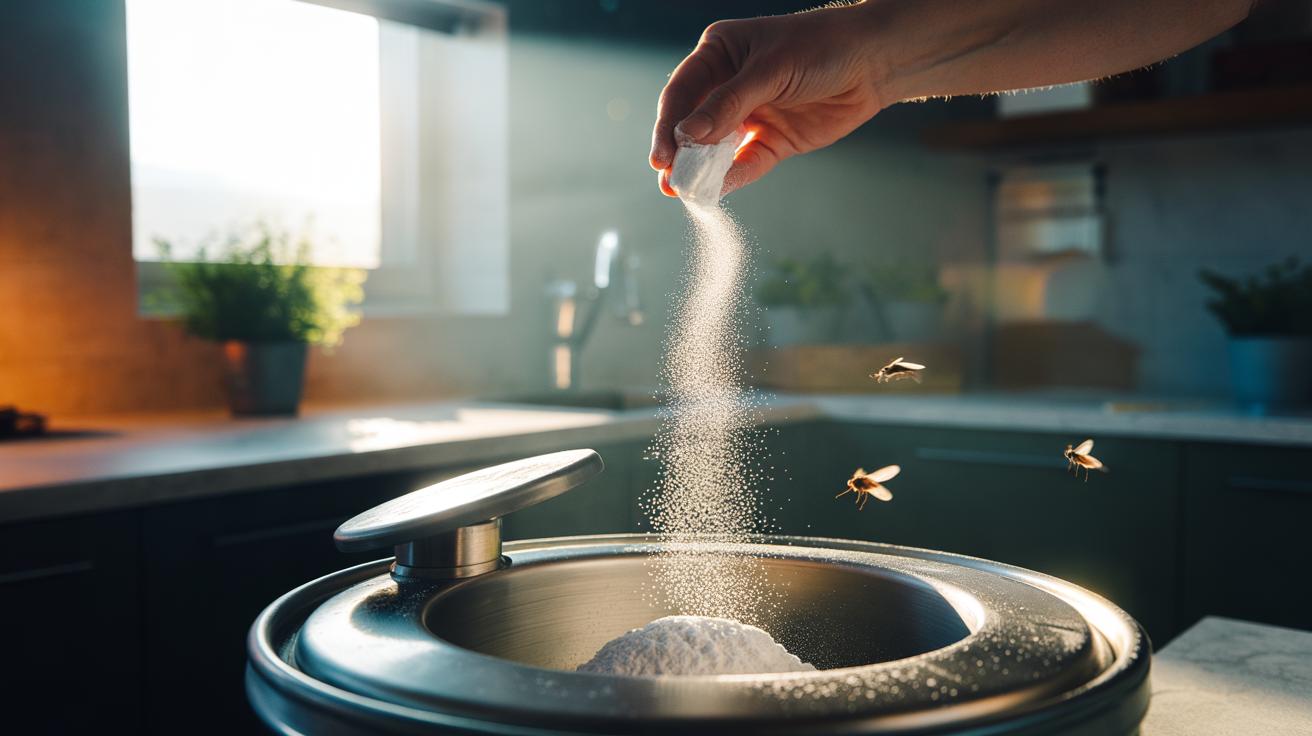
Every summer, UK households wage a low-key battle against bin smells and swarms of opportunistic flies. A humble cupboard staple offers a cheap, safe advantage: baking soda (sodium bicarbonate). Sprinkle the fine white powder in your bin and it mutes odours, dries out gunky residues, and makes the environment inhospitable for insects. Because flies seek moist, fermenting waste to feed and lay eggs, anything that removes moisture and neutralises acids undermines their breeding plans. This is where sodium bicarbonate excels. It is non-toxic when used sensibly, recyclable-budget friendly, and requires no gadgets or chemical foggers—just a shake of powder and a little consistency.
Why Baking Soda Works in Household Bins
At its core, baking soda is a mild alkaline compound that neutralises odour-causing acids and traps volatile molecules. In bins, that means it helps knock out the pungency of food waste, nappies, and pet litter. Odour control is more than courtesy; it’s strategic. Flies navigate towards smell signatures, so muting the scent plume cuts the “invitation” at source. Equally important, sodium bicarbonate acts as a gentle desiccant. It draws moisture from slime and residues, shrinking the damp micro-habitats that adult flies and their larvae prefer. Dry waste decays more slowly, smells less, and becomes less attractive to insects.
When maggots appear, a liberal dusting of dry baking soda can help dehydrate them, disrupting their development. While not a licensed pesticide, it’s a practical domestic tool. The powder also buffers pH, nudging conditions away from the acidic range that amplifies stink. Crucially, it’s non-corrosive and bin-safe, unlike some harsh bleaches that degrade plastics and metal fittings over time. Its biggest strength is simplicity: no mixing, no measuring fuss, just sprinkle and refresh.
How to Use Baking Soda to Stop Flies and Smells
Start clean: rinse the bin, then dry thoroughly. Add 2–4 tablespoons (30–60 g) of baking soda to the bottom, or slip a sheet of kitchen towel under the liner and dust it generously. Every time you empty, reapply a light layer, and spot-sprinkle on visible residues. For caddies, a teaspoon per day curbs stink and damp. If odours persist, scrub the bin with a paste (three parts soda to one part water), leave for 10 minutes, then rinse and dry. Keep the powder dry to maximise odour control and insect deterrence.
Avoid pouring acidic liquids (like vinegar) on top of baking soda inside the bin—this neutralises both and reduces performance. Save disinfectants for separate cleaning sessions, then finish with a fresh dusting of soda. For hot weeks or meat-heavy waste, double the dose. Pet owners should store the box out of reach; ingestion in large amounts can upset stomachs. Consistency matters: small, regular sprinkles beat occasional heavy dumps.
| Method | Amount | Frequency | Effect |
|---|---|---|---|
| Base layer under liner | 30–60 g | Every empty | Odour neutralising and moisture control |
| Daily caddy sprinkle | 1 tsp | Daily | Reduces smell and fly interest |
| Maggot shock treatment | Generous dusting | As needed | Helps desiccate larvae |
| Cleaning paste | 3:1 soda:water | Weekly/odour spikes | Lifts grime for a fresh reset |
Evidence and Limits: What Science and Pest Experts Say
Environmental health teams and pest technicians often recommend sanitation-first approaches: reduce odours and moisture, cut access, and starve larvae of conditions to thrive. Sodium bicarbonate fits that playbook. The chemistry is straightforward: it neutralises acidic compounds and absorbs some moisture, which dampens both smell and decay activity. Reports and home trials indicate that dusting can help kill maggots via dehydration and reduce adult fly interest by drying residues. Think of baking soda as a hygiene booster that undermines the fly lifecycle.
Still, it’s not a magic wand. Strong infestations need multiple measures: proper lids, frequent emptying, and thorough cleaning. Temperature and humidity matter; a heatwave accelerates breeding regardless of powders. If you’re dealing with blowfly bursts near food waste, double-check storage practices and collection schedules. For persistent issues, consider pairing soda with physical controls like tight-sealing liners and well-fitted caddy lids. Baking soda is best as a preventive and supportive tool—not a standalone cure-all.
Smart Bin Hygiene: Pairing Baking Soda With Good Habits
Begin with discipline. Drain liquids from food packaging, wrap meat scraps, and, in hot spells, refrigerate or freeze the smelliest waste until collection day. Use well-sized liners and tie them snugly. Rinse bins with hot water and a mild detergent weekly, dry fully, then reapply baking soda. Keep the lid closed and the bin shaded; sunlight warms waste and accelerates odours. For flats, choose a caddy with a snug seal and carbon filter, then add a soda sprinkle beneath the liner. Dry, sealed, and clean beats any spray on the market.
Complementary absorbents help too: a handful of cat litter or a strip of newspaper beneath the soda layer soaks leaks. Diatomaceous earth can be added for tougher, dry-only treatments (keep dust minimal and avoid inhalation). Check local council guidance on food waste liners and rinse routines to stay compliant. Keep tops and rims spotless—fly eggs lodge under lips and hinges. Small habits, multiplied, collapse fly breeding opportunities.
Used thoughtfully, baking soda is a practical ally: it tames smells, dries problem spots, and nudges flies to look elsewhere. The key is rhythm—clean, dry, sprinkle, repeat—especially in warm weather and before bank holiday collection delays. It’s affordable, safe around the home when handled sensibly, and quietly effective without perfumed cover-ups. Turn your bin from a warm, wet buffet into a dry, dull cul-de-sac. What mix of soda routine, liner choice, and cleaning schedule will you adopt this week to keep flies and odours firmly in retreat?
Did you like it?4.5/5 (23)