In a nutshell
- 🧼 Why grout yellows: Porous cement grout traps soap scum, hard-water minerals, and oils; most discoloration is surface-level and reversible with a gentle approach.
- ⚗️ Baking soda paste recipe: Mix 3 tbsp baking soda with 1 tbsp 3% hydrogen peroxide plus 1–2 drops dish soap; for coloured grout or natural stone, use warm water instead. Do not mix with acids.
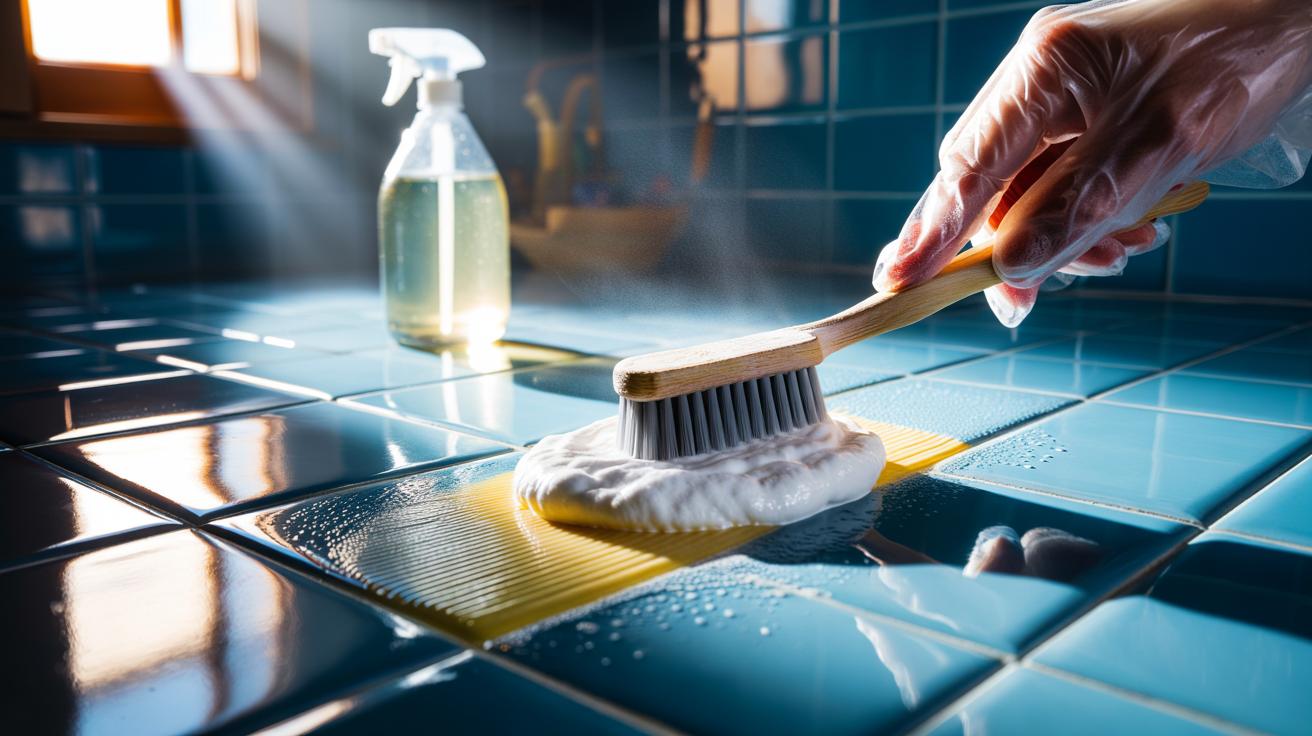
- 🪥 Application steps: Clean debris, press paste into joints, allow 10–15 minutes dwell time (up to 30 under cling film), scrub lightly with a nylon brush, rinse, and dry thoroughly; repeat on stubborn areas.
- 🚫 Tough stains and safety: Poultice thicker paste for dye or mildew shadows; pre-dab peroxide if needed. Avoid acids on cementitious grout and be cautious with bleach; ventilate and test first.
- 🔒 Long-term care: After drying, apply a penetrating sealer, switch to a pH-neutral cleaner, squeegee after showers, and refresh the paste periodically to keep grout bright.
Yellowed grout makes an otherwise clean bathroom or kitchen feel tired. It happens quietly, then all at once. The good news is that a humble cupboard staple can turn the tide. A simple baking soda paste cuts through soap scum, hard-water film, and tracked-in grime without the sting of harsh bleach. It’s budget-friendly, forgiving, and quick to mix. You don’t need specialist products or expensive tools to restore that crisp, bright grout line. With the right ratio, a short dwell, and a gentle scrub, the transformation is immediate. Here’s how to bring dingy joints back to a convincing white, safely and reliably.
Why Grout Turns Yellow
Yellowing rarely has a single culprit. In busy homes, grout absorbs a cocktail of contaminants: soap scum that clings like glue, minerals from hard water that leave a film, and microscopic body oils that darken with time. In damp corners, mildew lays down faint pigments that tint pale grout. Even everyday cleaners can leave residues that attract dirt faster than before. Cementitious grout is porous; it behaves like a sponge. If it’s unsealed, or the sealant is tired, stains settle deeper and clean less easily. Most yellowing is a surface problem, not permanent damage. That’s why a mildly abrasive, pH-balanced paste works so well.
Tile type matters. On ceramic and porcelain, residues sit on top and lift quickly. With natural stone nearby, you must avoid anything acidic that could etch the surface. Airflow also plays a role: stagnant bathrooms stay damp, and warm moisture accelerates discoloration. Lighting fools the eye too; warm LED bulbs can cast a cream tone that makes grout look off-white. The fix is still simple—remove the film, lift the oils, and give the joints time to dry fully. Then protect them. Clean first, seal second, maintain little and often.
The Simple Paste: Ingredients and Ratios
The hero formula is delightfully plain: baking soda for gentle abrasion and deodorising, plus a splash of 3% hydrogen peroxide to brighten organic stains. Add one drop of clear dish soap to lower surface tension so the paste wets into pores. You’re aiming for a creamy, spreadable consistency—thick enough to cling to vertical joints, soft enough to massage with a nylon brush. Do not mix peroxide with vinegar or acid-based cleaners. You don’t need them, and the combination can be irritating. For coloured grout or delicate surrounds, swap peroxide for warm water and work a little longer.
| Paste | Mix Ratio | Best For | Dwell Time |
|---|---|---|---|
| Baking soda + 3% hydrogen peroxide (+ 1–2 drops dish soap) | 3 tbsp soda : 1 tbsp peroxide | Ceramic/porcelain tiles, light cement grout | 10–15 minutes |
| Baking soda + warm water | 3 parts soda : 1 part water | Coloured grout, areas near natural stone | 10–12 minutes |
| Thick peroxide paste under cling film | As above, thicker mix | Stubborn, set-in organic stains | 20–30 minutes |
Always test a small, inconspicuous area first. If the paste dries too fast, mist lightly with water and extend the dwell. The goal is contact time, not force.
Step by Step Application and Dwell Time
Start clean. Vacuum or sweep the joints to remove grit that could scratch. Mix your paste fresh; it performs best immediately. With a gloved finger or an old toothbrush, press the paste into the grout, edge to edge. Aim for even coverage. Do a spot test first, especially on tinted grout. Leave it to work: 10–15 minutes for standard stains, up to 30 for a covered poultice. Keep the area ventilated. The paste should stay damp and active, not crust into powder. If it crusts, a quick spritz of water revives it.
Now scrub—lightly. Use a soft nylon brush, moving across the joint rather than along it to avoid gouging the edges. Small circles help. Don’t chase perfection in one pass; you’ll clean more effectively with two gentle rounds than one aggressive one. Wipe away slurry with a damp microfibre cloth, then rinse with warm water. Dry thoroughly. A hairdryer on a cool setting speeds this step and prevents ghost stains from reappearing. Assess and repeat on the worst spots. When you’re satisfied, allow 24 hours of drying before any sealing.
Tough Stains, Sealing, and Long-Term Care
Some marks fight back: dye transfer from bathmats, old mildew shadows, hard-water halos at the shower’s splash line. Increase contact time with a thicker paste and cover with cling film to prevent drying. For very stubborn organic stains, dab the grout line with 3% peroxide first, then apply the baking soda paste on top. Work slowly. Avoid acidic boosters on cementitious grout and keep harsh chlorinated bleaches away from natural stone. If you do try bleach on ceramic-only areas, never mix it with ammonia- or acid-based products. Rinse meticulously and ventilate well.
Clean grout deserves protection. Once fully dry, apply a good penetrating sealer to slow future staining and make weekly wipes effortless. Two thin coats beat one heavy one. Then switch to a pH-neutral cleaner for routine care, and squeegee shower walls after use to strip away mineral-laden water before it dries. Replace silicone that’s gone brown; it contaminates nearby grout. Set reminders: a quick paste refresh every few months, a deeper session before winter, and reseal every 6–12 months depending on traffic. Small, regular habits keep the white you’ve regained.
When a yellowed grout line brightens back to white, the whole room lifts. It’s the kind of transformation that feels disproportionate to the effort and cost. A pot of baking soda, a splash of peroxide, fifteen patient minutes—done. The trick is consistency: gentle cleaning, proper drying, and timely sealing. With those in place, grime struggles to get a foothold and maintenance becomes a swift, almost satisfying ritual. Will you try the paste this weekend, and if you do, which room’s grout will you tackle first—the high-traffic kitchen floor or the steamy shower that never seems to stay bright?
Did you like it?4.5/5 (22)