In a nutshell
- 🪵 Boiled flaxseed (linseed) oil penetrates wood capillaries and cures via oxidative polymerisation, forming a flexible, breathable satin network that nourishes dry fibres.
- 🌿 Choosing oils: raw dries very slowly; boiled uses driers for 6–24 hours per coat; polymerised (heat-bodied) sets faster with fewer additives—match to species, timeframe, and sheen.
- 🧴 Application essentials: prep to 180–240 grit, flood and allow 15–30 minutes soak, wipe all excess completely, then build 2–4 thin coats with light burnishing between.
- ⚠️ Safety and curing: oil-soaked rags can self-ignite; lay flat to dry or submerge; typical UK drying is 6–24 hours per coat with ventilation; avoid heavy use for several days.
- ✨ Maintenance and benefits: a renewable finish that deepens tone, highlights grain, and resists everyday spills; refresh with whisper-thin coats—think of oil as nutrition for wood.
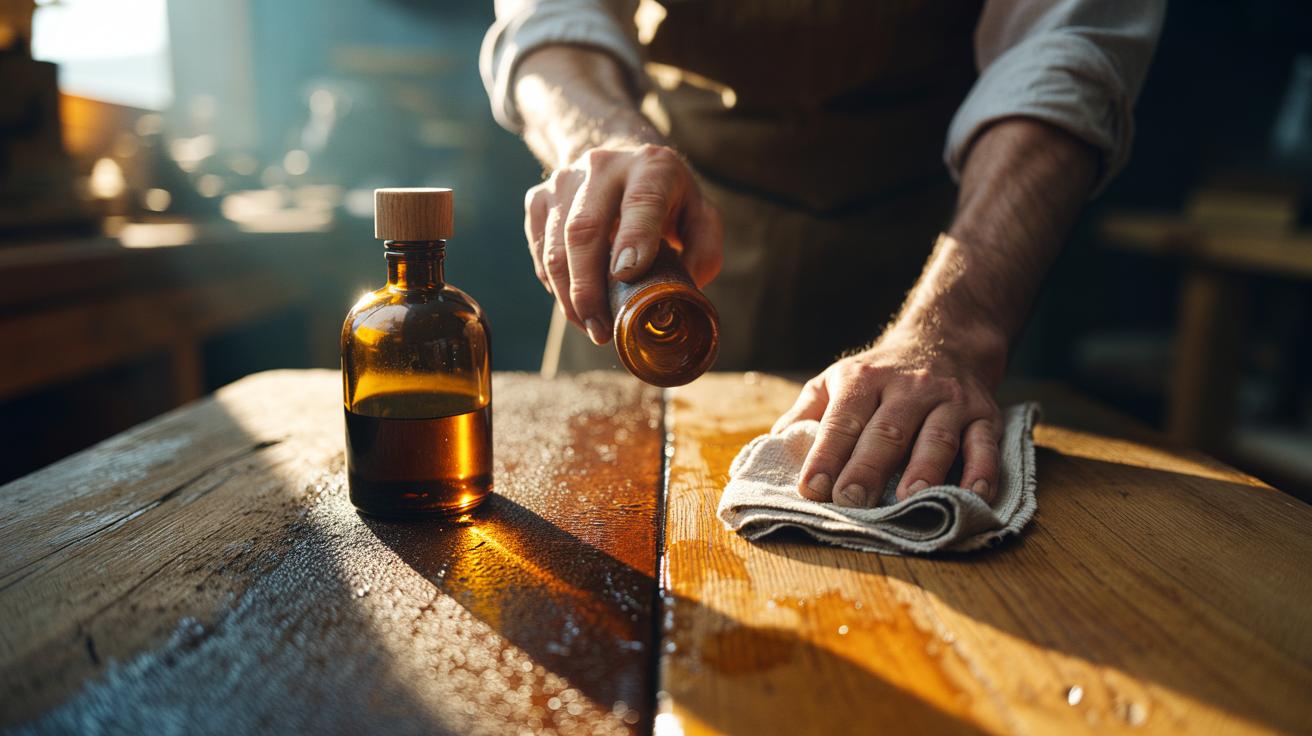
After a winter of heating and a summer of strong sunlight, timber can look parched, lifeless, and grey. A traditional remedy returns with fresh relevance: boiled flaxseed polish, the craftsman’s standby that slips deep into fibres and restores a supple glow. Derived from the linseed of flax, this oil carries a low-tech wisdom into modern homes, feeding thirsty grain without plastic films or aggressive solvents. As it cures, it leaves a breathable, satin finish that resists everyday spills and lifts colour. The appeal is simple: enrich the wood from within, rather than coating it from above. For homeowners seeking a sustainable care routine, natural oils set a confident, tactile standard that synthetic varnishes rarely match.
How Boiled Flaxseed Oil Penetrates and Protects Timber
Boiled flaxseed oil—often called boiled linseed oil—is prized because its small molecules wick into wood’s capillaries, replacing lost resins and lubricating dry cell walls. Once inside, accelerated polymerisation begins as oxygen triggers cross-linking. The result is a thin, flexible network anchored within the fibres. Unlike surface-only finishes, this network enhances contrast, deepens tone, and reduces the risk of checking by improving the wood’s ability to buffer humidity changes. Penetration is the secret: the oil travels where the damage begins, then cures in place to stabilise it.
Because the cured film remains vapour-permeable, boards can still “breathe,” easing seasonal movement without flaking. That breathability is especially valuable on older furniture and floors where brittle varnish might fracture. The finish also offers a soft satin sheen rather than a high gloss, a look many prefer for characterful oak, ash, beech, and worktops that demand tactile warmth. While not a hard wearing topcoat, it’s a resilient, renewable foundation that is simple to refresh.
Choosing Between Raw, Boiled, and Polymerised Oils
Not all flaxseed-derived products behave alike. Raw linseed oil dries incredibly slowly, sometimes taking weeks. Boiled flaxseed oil includes driers that reduce waiting time dramatically, making it practical for domestic projects. Polymerised (heat-treated) linseed oil offers a faster set and slightly tougher film without the same reliance on metallic driers. For denser species, some craftsmen cut the first coat with a little white spirit or citrus solvent to help penetration, then apply subsequent coats neat. Match the oil to your timeframe, wood species, and the level of sheen you want to achieve.
| Oil Type | Typical Drying Time | Finish | Penetration | Best For | Notes |
|---|---|---|---|---|---|
| Raw Linseed | Several days to weeks | Low sheen | Deep | Historic repairs | Very slow; avoid in damp or cool rooms |
| Boiled Linseed | 6–24 hours per coat | Satin | Deep | Furniture, floors | Modern driers accelerate cure |
| Polymerised Linseed | 4–12 hours per coat | Satin–semi-gloss | Moderate–deep | Premium hand-rubs | Heat-bodied; fewer additives |
| Pure Tung Oil | 8–24 hours per coat | Matte–satin | Moderate | Water resistance | Harder, slightly lighter tone |
Step-by-Step Application for Thirsty, Dry Surfaces
Begin with a clean, dust-free timber. Lightly abrade to 180–240 grit to open pores evenly, then vacuum and tack. Warm the room, and if possible, the boiled flaxseed oil bottle slightly to reduce viscosity. Flood the surface with a lint-free cloth, brush, or pad, working along the grain. Allow the oil to soak for 15–30 minutes, re-wetting any dull patches that drink quickly. After the soak, the single most important rule is to wipe absolutely all excess oil until the surface is dry to the touch.
Leave to cure with good airflow. Repeat for two to four coats depending on porosity, letting each coat dry fully. On intermediate coats, burnish lightly with a grey pad or 400–600 grit paper to knock back raised fibres and build a silky hand. For butcher’s blocks or worktops, finish with a thin maintenance coat on a monthly schedule at first, tapering to seasonal care. Properly applied, the oil will highlight grain, reduce blotchiness, and create a renewable finish you can refresh in minutes.
Safety, Drying Times, and Maintenance
Oils cure by oxidation, which releases heat. Always lay oil-wet rags flat to dry on a non-combustible surface or submerge and dispose safely; scrunched rags can self-ignite. Typical drying in the UK: 6–24 hours per coat at 18–21°C with low humidity and decent ventilation. Cooler rooms or dense hardwoods extend times. Avoid loading heavy objects on freshly treated surfaces for a few days while polymer networks strengthen. A light, fragrant odour dissipates as curing completes.
For maintenance, dust with a dry cloth and avoid harsh detergents. When the surface looks dull, apply a whisper-thin refresher coat and wipe off thoroughly. Small water rings usually fade as the oil reconditions fibres. If you need extra water resistance, blend the first coat with a dash of tung oil, then return to boiled flaxseed for warmth. Think of oil as nutrition for wood: little and often keeps the grain resilient and beautiful.
Natural oils excel because they enhance, rather than smother, a material designed to endure. Boiled flaxseed oil restores suppleness, deepens tone, and delivers a repairable finish that suits homes seeking authenticity and sustainability. It is kinder to ageing furniture, elegant on contemporary oak, and forgiving for DIY hands. With sensible ventilation and safe rag handling, the routine becomes a calm, almost meditative ritual. As your boards regain their glow and tactile depth, what surface in your home—or workshop—would most benefit from being nourished from within?
Did you like it?4.6/5 (25)