In a nutshell
- 🧪 The science: warming spices releases volatile oils (e.g., cinnamaldehyde, eugenol, limonene) that ride on steam—a kitchen analogue to steam distillation—perfuming rooms without smoke.
- 🔥 The technique: keep a low, steady simmer; use whole, fresh spices (bruise, don’t grind); manage surface area and time; a splash of vanilla (alcohol) helps disperse oils cleanly.
- 🌿 The blend: start with cinnamon sticks, then layer citrus peel, clove, star anise, or bay; keep recipes short and balanced so each note blooms without cloying.
- ⚠️ The safety: never leave a simmer pot unattended; top up water, avoid steaming under cupboards, ventilate gently, and be mindful of pets and asthma; don’t reuse stale broth.
- ♻️ The sustainability: repurpose residual heat, compost spent spices, quick-clean the pot to remove resin films, and enjoy gentle humidity with minimal energy and waste.
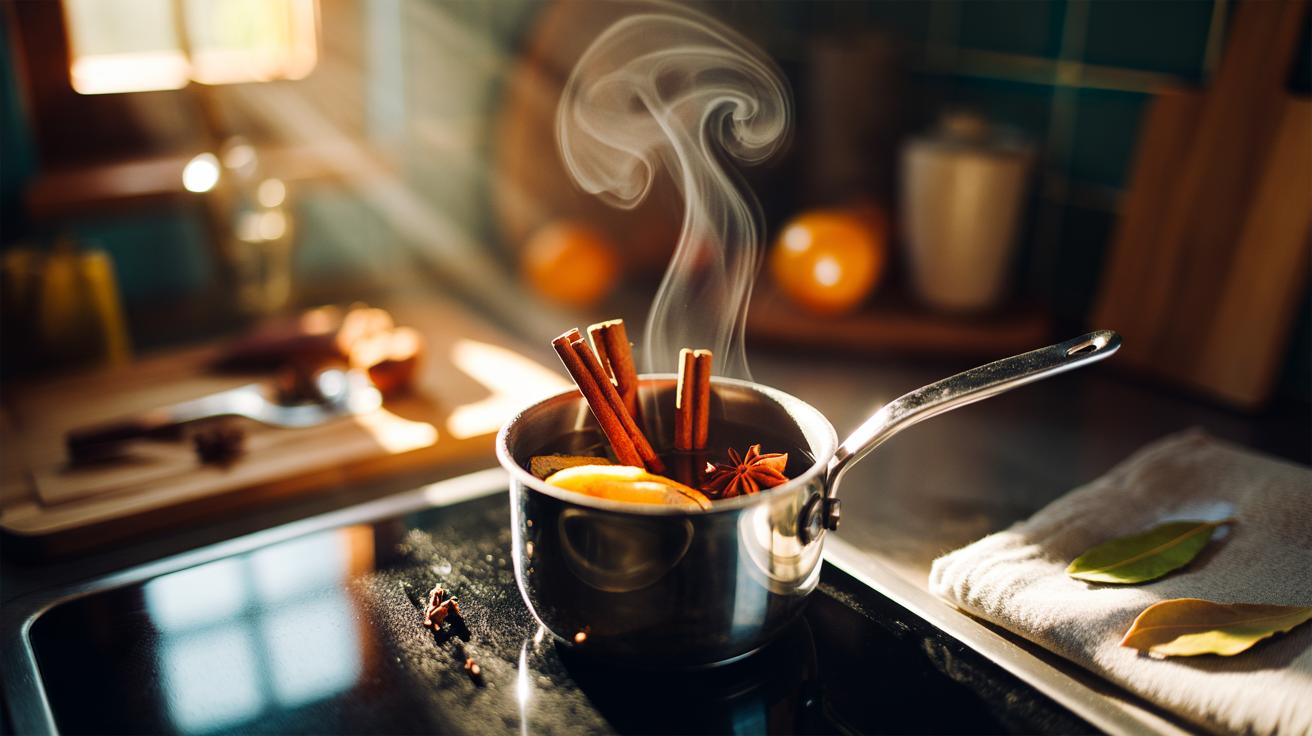
On a cold, grey afternoon, few rituals feel as comforting as a gently bubbling pan sending ribbons of warmth through the air. A simple cinnamon stick simmer—water, heat, and a small bouquet of kitchen spices—can transform an ordinary room into a welcoming haven. The magic lies in how aromatic oils lift on steam and drift through your home, softening hard edges and inviting deep breaths. It is scent carried by vapour, not smoke, that creates this clean, cozy atmosphere. What seems like a quaint domestic trick is, in truth, a lesson in accessible chemistry: volatile compounds released at low heat travel efficiently, settle lightly on fabrics, and linger just long enough to refresh the senses.
Why Simmering Cinnamon Works: Aroma Chemistry in the Kitchen
At the heart of the experience are volatile oils—lightweight molecules such as cinnamaldehyde in cinnamon, eugenol in cloves, and limonene in citrus peel. When you warm spices in water, heat loosens cell walls and coaxes these compounds out. Steam rising from the pot carries microscopic droplets rich in aroma, a kitchen analogue to steam distillation. Because many of these oils are hydrophobic, they ride atop water or disperse as fine aerosols that spread scent quickly. This is why a small pan can perfume an entire flat without the acrid notes of burning.
Temperature and surface area shape the fragrance. A low simmer—hotter than steeping, cooler than boiling—releases oils steadily without scorching them. Whole sticks emit a round, sustained aroma; cracked sticks or lightly bruised pods yield faster, brighter top notes. Low, steady heat unlocks fragrance without degrading delicate compounds. Additions like a splash of vanilla extract (alcohol helps dissolve oils) or a twist of citrus amplify diffusion. In practice, the goal is balance: consistent warmth, replenished water, and spices chosen for synergy rather than sheer intensity.
Choosing and Preparing Spices for a Cleaner, Stronger Scent
Start with fresh, whole spices; age dulls volatile content. Choose firm, richly coloured cinnamon sticks, heavy cloves, and resilient star anise. Rinse briefly to remove dust, then bruise gently to widen pathways for oils to escape. Use filtered water if your tap has strong mineral notes, and opt for a non-reactive pot. Resist grinding spices for the simmer—powders cloud the water and mute clarity. For a softer, bakery-warm profile, rely on cinnamon as the base, then build dimension with citrus peel for lift and bay leaf for a cool, woody edge. A few coffee beans add roasted depth without turning the blend bitter.
Proportions are forgiving: two sticks of cinnamon, three cloves, one bay leaf, and a strip of orange peel suit a small pan. Keep the water just shivering, not racing. If the scent feels thin, add a fresh strip of peel rather than more clove; if it feels heavy, dilute with water or reduce heat. Small adjustments to surface area and simmer time are more effective than throwing in extra spice.
| Spice | Dominant Compound | Character | Suggested Simmer Time |
|---|---|---|---|
| Cinnamon Stick | cinnamaldehyde | warm, sweet-woody | 45–120 minutes |
| Clove | eugenol | spicy, medicinal-sweet | 20–60 minutes |
| Star Anise | anethole | liquorice-bright | 20–60 minutes |
| Citrus Peel | limonene | zesty, sparkling | 10–40 minutes |
| Bay Leaf | eucalyptol | cool, resinous | 30–90 minutes |
Safe, Sustainable Simmering: Heat, Humidity, and Home Care
Simmering gently humidifies indoor air—welcome relief in central-heated homes—yet moderation matters. Use a stable hob setting or a small slow cooker on low with the lid ajar. Top up the pan every 30–45 minutes to maintain volume and prevent scorching. Never leave a simmer pot unattended, even on a low flame. Place the pan where steam disperses, not directly under cupboards, to avoid condensation marks. If you share a home with pets or anyone with asthma, keep blends simple and well-diluted, and air the room periodically to maintain fresh circulation.
Mind waste and energy. Repurpose residual heat—begin the pot while the oven cools after baking—or simmer near evening to double as a mild humidifier before bedtime. Once finished, cool the liquid, strain, and compost the spent spices. Do not store the broth overnight for reuse; stale, oxidised oils turn flat and may taint the next batch. A quick wash with hot water and a dab of bicarbonate keeps the pot free of lingering resinous films.
Quick Variations and Seasonal Pairings That Elevate the Pot
For winter comfort, pair cinnamon with clove, orange peel, and a shaving of nutmeg for bakery warmth. Spring calls for cinnamon with lemon peel and bay, a fresher, greener accord. In summer, try cinnamon, cardamom pods, and lime peel—sparkling and uplifting. Autumn loves star anise alongside cinnamon and pear peel, echoing mulled ciders without the sweetness. A single strip of fresh peel can brighten a whole pan more effectively than doubling heavy spices.
Push beyond the obvious with a few grains of black pepper for sparkle, or a sprig of rosemary to frame cinnamon’s warmth with piney clarity. A teaspoon of vanilla extract adds body and helps disperse oils thanks to its alcohol base. Skip neat essential oils; they volatilise too fast and can overwhelm. Keep blends short and purposeful—three to five ingredients—so each note has room to bloom. The result is a scent-scape that feels curated rather than cloying.
The humble cinnamon simmer is a domestic craft with scientific backbone: heat, water, and volatile oils working in concert to wrap rooms in gentle comfort. By choosing whole spices, minding temperature, and shaping blends with intention, you gain fragrance that’s clean, affordable, and kind to the home. Let the steam do the carrying; let restraint do the refining. As the nights draw in, the pot becomes a small act of hospitality—quiet, warming, and reliably joyful. Which blend will you try first, and how will you tune heat, water, and spice to suit the mood of your rooms?
Did you like it?4.5/5 (23)