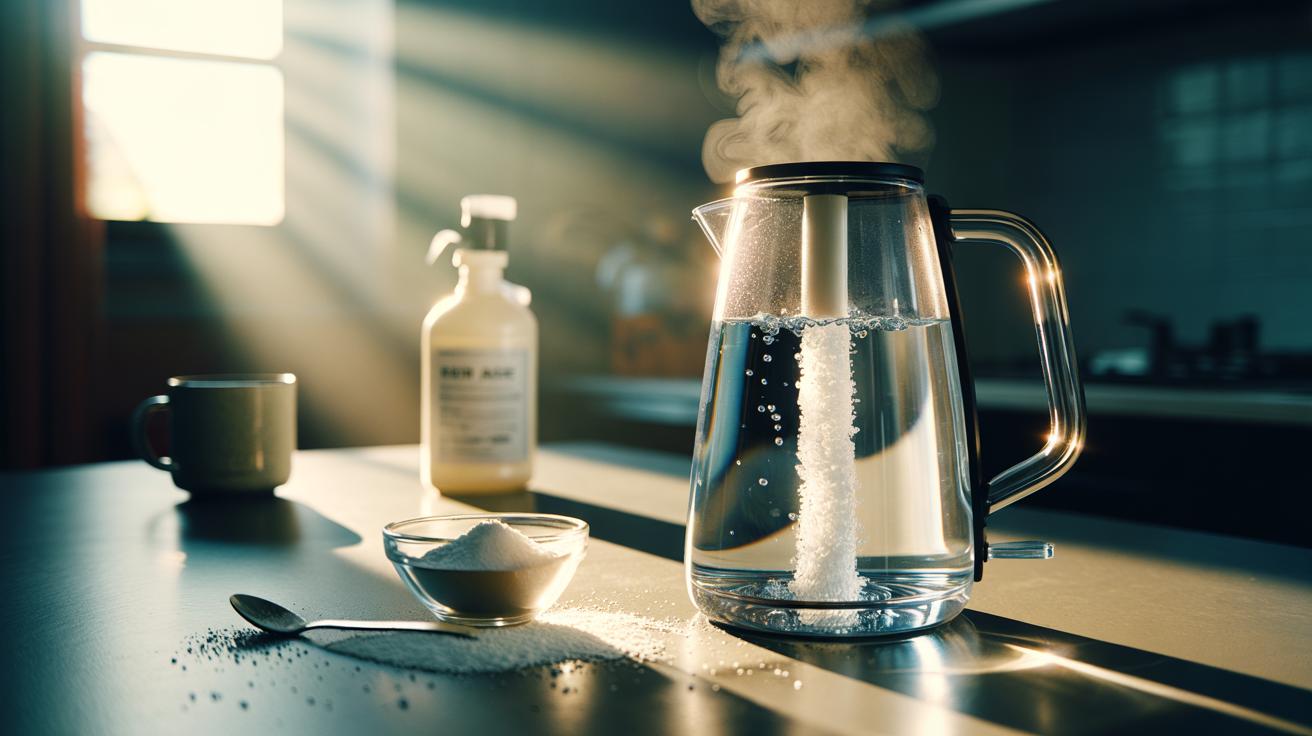
In a nutshell
- 🔬 Citric acid dismantles limescale by converting calcium carbonate into soluble citrate, restoring faster boils and cleaner taste.
- 🧪 Method: mix 1–2 tbsp per 500 ml, heat, soak 15–30 minutes, then rinse and do a boil-and-dump; a bicarbonate rinse helps; never mix with bleach.
- ⚖️ Natural vs descalers: citric acid is odourless, cheaper, and leaves minimal residue; vinegar smells, while commercial products may add dyes and inhibitors that can linger.
- 🛡️ Safety: short soaks are safe for stainless steel and glass; use weaker, brief treatments on aluminium; avoid prolonged contact with seals and decorative trims.
- 💷 Eco and costs: bulk citric acid costs ~10–20p per treatment, is biodegradable, and monthly maintenance reduces build-up, improving energy efficiency.
Britain’s hard water writes its history inside our kettles: a chalky crust that dulls the boil, slows the morning brew, and sometimes seasons tea with grit. The quiet hero is not a flashy bottle from the cleaning aisle but a pantry staple: citric acid. Pressed from citrus, sold as a fine powder, it strips limescale with speed and surprising gentleness. This simple soak can restore shine, improve energy efficiency, and lift that metallic tang from your cuppa. Compared with proprietary descalers, natural acids are cheaper, cleaner, and often kinder to the metals and seals that make kettles last. Here’s why the science, the method, and the economics point to a lemon-derived solution.
The Science Behind Limescale And Citric Acid
Hard water carries dissolved calcium and magnesium bicarbonates. When boiled, they precipitate as calcium carbonate, the familiar limescale that clings to elements and walls. Scale insulates heating surfaces, nudging up energy use and extending time-to-boil. It can flake into drinks, producing off notes that tea drinkers notice at once. The fix is chemical, not abrasive. Citric acid, a weak triprotic acid found in citrus fruits, reacts with calcium carbonate to form soluble calcium citrate, which rinses away without fuss.
That mild acidity is the point. It chelates metal ions efficiently while remaining far less aggressive than hydrochloric or sulfamic formulations. Stainless steel and borosilicate glass tolerate it well for short soaks. Warmth accelerates the reaction, so a hot but not boiling solution works quickly. Citric acid dissolves limescale by converting it into soluble citrate salts. The result is a clean element, faster boils, and a neutral taste that doesn’t fight your tea.
Step-By-Step: The Citric Acid Soak That Revives Kettles
Start with a clean slate. Empty the kettle and wipe out loose flakes. Add 1–2 tablespoons (about 15–30 g) of citric acid per 500 ml of water; scale up to cover the element or discoloured area. Heat the solution until just off the boil, then switch off and let it sit for 15–30 minutes. Swirl occasionally. Heavy deposits may fizz and soften in layers—top up the acid or extend the soak as needed. A soft nylon brush helps dislodge stubborn rims around spouts and seams.
Pour away the solution and rinse thoroughly. Refill, bring to the boil, discard, and rinse again to banish any residual tang. For odour-sensitive palates, a brief rinse with a teaspoon of bicarbonate of soda in water neutralises lingering acidity. Never mix acids with bleach, and avoid scouring pads that can scratch protective finishes. For routine maintenance, a quick 10-minute soak every month in hard-water areas keeps scale from becoming a chiselling job.
Natural Acids vs Commercial Descalers: A Clear Comparison
Both natural and commercial options rely on acid, but the package matters. Citric acid is odourless, food-safe, and leaves minimal residues that wash away with a single boil-and-dump cycle. White vinegar works, yet its acetic acid brings a stubborn odour that can haunt tea. Proprietary descalers often add dyes, perfumes, or corrosion inhibitors; they can be effective, though labels vary, and some formulas are harsher on seals or etched markings. In everyday use, the pantry solution is usually faster to live with and easier on taste.
| Option | Typical Cost Per Treatment (UK) | Speed (mins) | Odour | Material Compatibility | Eco Profile | Taste Risk |
|---|---|---|---|---|---|---|
| Citric acid | 10–20p (buying in bulk) | 10–20 | Odourless | Stainless, glass, most plastics; avoid prolonged contact with aluminium | Biodegradable, low hazard | Very low with a rinse |
| White vinegar | 20–40p | 20–30 | Strong acetic odour | Generally safe; long soaks can annoy silicone seals | Good | Medium if not rinsed well |
| Commercial descaler | 60p–£1.50 | 10–20 | Perfumed/chemical | Varies by brand; check label | Varies | Low–medium; additives can linger |
For most households, citric acid balances speed, safety, and taste better than the rest. It also avoids the supermarket premium attached to small sachets, especially if you buy a kilo bag that lasts a year of monthly maintenance.
Safety, Materials, And Myths: What Your Kettle Can Handle
Modern stainless-steel and glass kettles shrug off short citric soaks. Concealed elements are designed for contact with mildly acidic drinks, so a brief descale poses no threat. If your kettle is vintage aluminium, reduce strength and time, then rinse promptly; the metal is more reactive. Avoid soaking painted trims or decorative decals. Silicone gaskets and common plastics handle a quick treatment well, but there’s no need to bathe lids for half an hour when five minutes will do.
Concerns about heavy metal leaching are often overstated for stainless steel under mild conditions. Rinse until the water runs neutral and boil once before making tea. Rinse until there is no hint of sourness before brewing. Scale-control habits stretch the interval between deep cleans: use filtered water in very hard areas, empty the kettle after use, and wipe inside surfaces while still warm. If your kettle is aluminium, keep soaks short and solutions dilute; the goal is dissolving scale, not testing metallurgy.
Citric acid wins because it aligns science with common sense: an inexpensive, food-grade powder that dissolves limescale, spares finishes, and leaves your breakfast tea tasting like itself. It reduces energy waste, dodges perfumed residues, and gives you control over strength and timing. For a nation that values a clean brew and a quick boil, that combination is hard to beat. After your next soak-and-boil, notice the quieter hiss and sharper pour. What descaling routine, tweaks, or timings have you found most effective in your own kettle—and what will you try differently next time?
Did you like it?4.6/5 (22)