In a nutshell
- 🧼 Cling film creates a non-porous barrier that prevents spills from bonding to shelves, protecting glass and wood while cutting scrubbing time.
- 🛠️ Easy setup: clean and dry shelves, measure and smooth the film, overlap seams by 1–2 cm, and add a small pull-tab for swift replacement.
- 🧊 Fridge-friendly use: keep airflow vents clear, pierce tiny relief holes where needed, and replace only the affected strip after a leak to minimise waste.
- ♻️ Hygiene and sustainability: choose food-safe wrap, avoid heat sources, recycle soft plastics where accepted, or opt for reusable PEVA liners for lower waste.
- ⏱️ Smart maintenance: line high-risk zones, refresh after spills or every 2–4 weeks, and save time across the year with this prevention-first tactic.
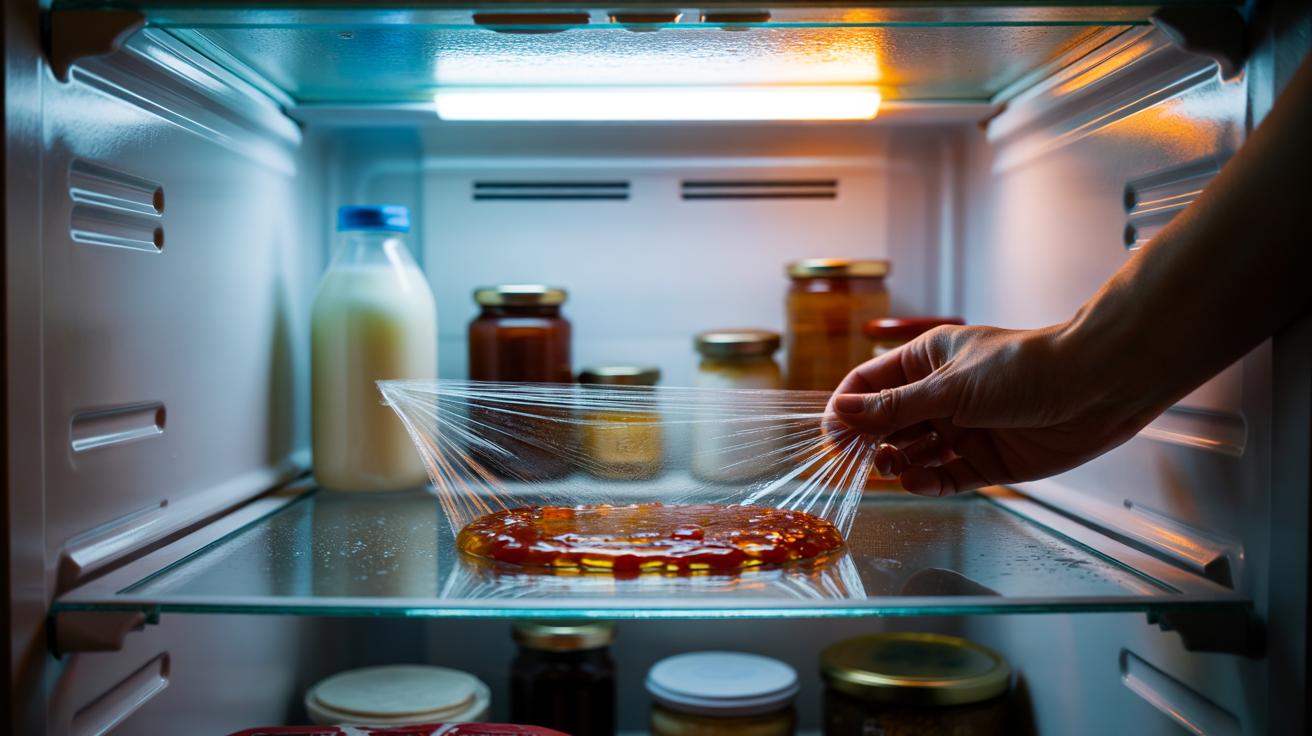
There’s a quietly brilliant hack sweeping through tidy British kitchens: a thin layer of cling film laid across shelves to catch drips and crumbs before they have a chance to harden. This quick barrier turns a dreaded scrub into a simple lift-and-replace. By interposing a smooth, disposable skin between food and surface, you stop stickiness from ever taking hold. The idea suits busy families, renters wary of losing deposits, and anyone who prefers a swift reset over a weekend deep clean. Below, we unpack why it works, the best way to apply it, and how to do it responsibly with hygiene and recycling in mind.
Why Cling Film Works on Fridge and Pantry Shelves
Cling film is made to adhere lightly, creating a snug, non-porous barrier that resists syrupy spills and oily splashes. Liquids bead on the film’s surface instead of creeping into shelf joints or the etched texture of glass. On pantry boards, it prevents sauces from soaking into wood grain; on glass or plastic fridge shelves, it stops sugary leaks from hardening into stubborn patches. The key advantage is containment: droplets sit on the film, not the shelf, so you can remove the mess in seconds. It’s an inexpensive, accessible tool that fits shelves of any shape.
This approach also cuts down cleaning time and protects finishes. Glass shelves avoid micro-scratches from abrasive scrubbing. Wooden shelves are shielded from moisture that can swell fibres. And because the wrap hugs edges, it prevents crumbs from snowing into vegetable drawers. Used well, it’s a simple, reversible intervention that preserves the look of new appliances while keeping everyday maintenance light-touch.
Step-By-Step: Lining Shelves in Minutes
Start by wiping shelves with a mild detergent and drying thoroughly; adhesion works best on clean, dry surfaces. Measure a section a few centimetres longer than the shelf, and unroll the film slowly to avoid creases. Anchor one corner, smooth across with the back of your hand, then pull taut at the opposite edge for a wrinkle-free finish. Fold a neat lip under the front edge to hold tension and create a clean line. On wide shelves, overlap two strips by 1–2 cm to form a tight seam that won’t part under a spill.
For fridges, note airflow. Always keep ventilation channels and fan inlets clear to maintain safe, even cooling. If your shelves are slotted or have drainage notches, pierce tiny relief holes in the film where necessary to prevent pooled condensation. Label one front corner with a small tab of tape so you can lift and replace without digging at the surface. If a single jar leaks, peel only the affected strip, not the entire shelf, to save both time and materials.
Hygiene, Safety, and Environmental Considerations
Choose food-safe cling film and avoid direct contact with very hot items; let leftovers cool before refrigerating. Do not line appliance heating elements or oven racks. In most UK areas, soft plastics can be recycled at supermarket collection points—check local guidance. If you prefer reusables, perforated shelf liners or washable PEVA mats offer similar protection with less waste, though they require a proper wash after spills. Waxed fabric wraps are excellent for covering containers but grip less effectively on shelves.
Hygiene improves when you remove residue before bacteria get a foothold. Swap film after sticky leaks, raw meat drips, or strong odours. Between changes, a spritz of vinegar solution on exposed surfaces keeps things fresh. Below is a simple overview to help you choose the right liner for your routine.
| Material | Upfront Cost | Replacement Frequency | Clean-Up Time |
|---|---|---|---|
| Cling film | Low | After spills or every 2–4 weeks | Seconds (lift and bin/recycle) |
| Reusable PEVA liner | Medium | 6–12 months | Rinse or machine wash |
| Baking parchment | Low | After greasy spills | Quick (lift and bin) |
| Waxed cloth | Medium | 3–6 months | Wipe clean; may slip on glass |
Smart Maintenance: Replacing, Recycling, and Saving Time
Think in zones. Line high-risk shelves under milk, sauces, and leftovers; leave dry-goods zones unlined or switch to reusable mats. After a known spill, lift only that strip, avoiding unnecessary waste. Keep a dedicated roll of recycled-content film in the kitchen to encourage quick swaps. For most households, a refresh every fortnight keeps odours and sticky patches at bay. If you batch-cook, change film the day after a big fridge restock, when accidental drips are most likely.
Ten minutes of lining can save half an hour of scrubbing every month. When removing used film, shake off crumbs into the bin, then take the wrap to a supermarket soft-plastics point if accepted locally. A tiny label on the inside of the fridge door reminding “Check shelf liners on Sundays” nudges the habit along. Over a year, the reduced wear on shelves and the time reclaimed from deep cleans add up to a measurable domestic win.
In busy homes, a simple layer of cling film turns spill management from a chore into a near-instant reset. It protects materials, shortens cleaning sessions, and allows targeted, hygienic swaps when accidents happen. Choose food-safe options, avoid blocking airflow, and consider reusable liners where they suit your rhythm. The guiding idea is prevention: stop residue bonding, and cleaning becomes easy. With a roll in the drawer and a plan on the calendar, your shelves stay spotless with minimal fuss. How will you tailor this smart, low-cost tactic to the most spill-prone spots in your kitchen?
Did you like it?4.4/5 (23)