In a nutshell
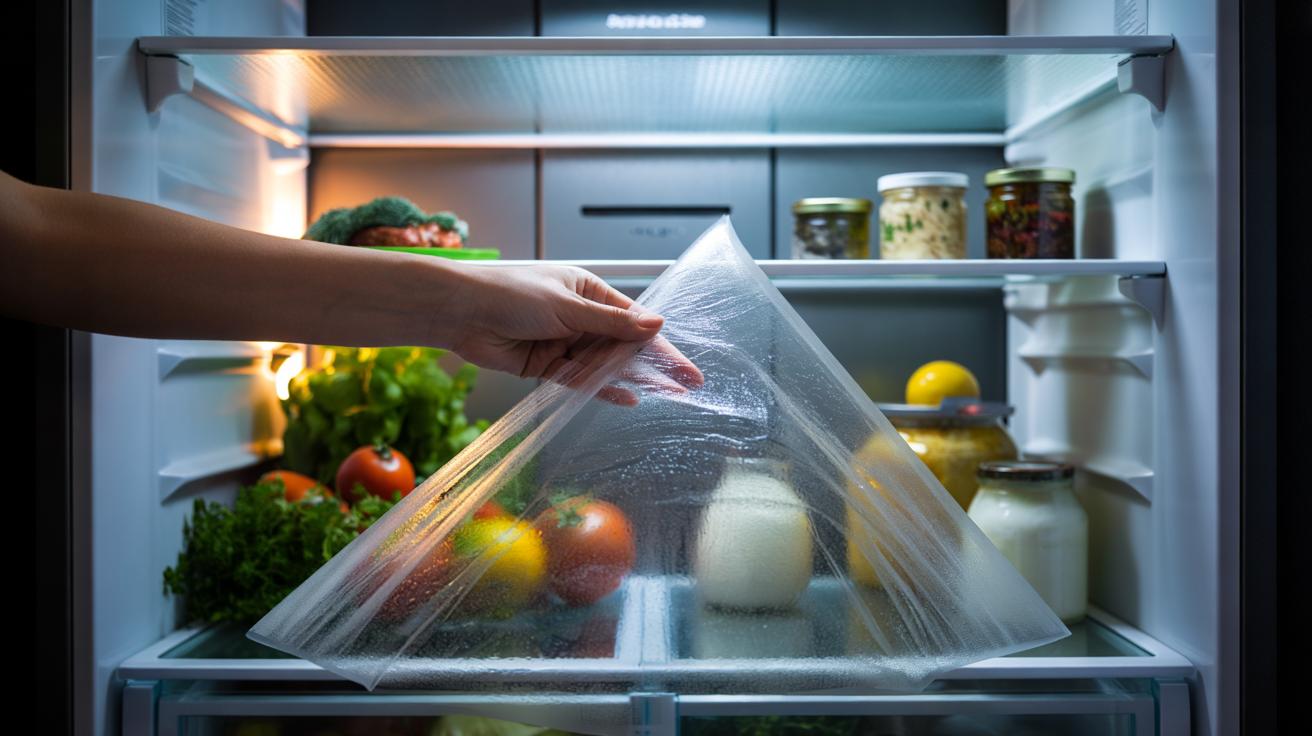
- 🧽 Use cling film as a removable barrier on fridge shelves to catch spills; peel and replace to keep surfaces spotless and control odours.
- 🛠️ Apply correctly: clean and dry with a microfibre cloth, lay film taut, avoid blocking air vents/sensors, add a second layer under heavy jars, and stabilise wire racks with a rigid liner.
- 🧪 Prioritise safety: choose BPA‑free, food‑safe film, replace immediately after raw meat leaks, and consider a hybrid with reusable silicone mats to cut plastic use.
- ⏱️ Maintain smartly: typical lifespan is 2–4 weeks; replace when edges lift, film clouds, feels tacky, or smells; keep pre‑cut sheets and stagger shelf changes.
- ♻️ Dispose responsibly: most UK kerbside bins don’t take soft film—use supermarket store drop‑off points and choose polyethylene films labelled as recyclable at front‑of‑store.
Sticky spills, ringed jars, and mysterious puddles can turn a clean fridge into a slog of scrubbing. A simple household hack has been hiding in plain sight: line your shelves with cling film so that drips never touch the glass. Peel away the film when it’s soiled, roll on a new layer, and your fridge stays pristine for weeks. It takes minutes to set up, costs pennies, and safeguards both hygiene and odour control. The trick appeals to anyone who hates scrubbing baked-on jam or congealed sauces after a busy week. Because the film is sacrificial, you clean by replacing rather than scrubbing.
How the Cling Film Trick Works
At its core, the method creates a thin, removable barrier between food containers and the fridge’s surfaces. Spills sit on the film rather than seeping into seams or hard-to-reach edges. When it’s time to tidy, lift, ball, and bin—no abrasive cleaners or lengthy dismantling of shelves. The approach is especially effective on glass shelves, where sugars and fats often bake under the fridge light and become stubborn. Think of cling film as a transparent splashback for horizontal surfaces.
To work well, the film must be applied flat and taut, with edges anchored so moisture can’t creep beneath. Avoid covering rear ventilation channels or touching sensors, and leave a sliver of space around the back edge to maintain airflow. The result is a fridge that resists stains, preserves clarity, and reduces chemical cleaning. Never block air vents, as restricted circulation undermines cooling efficiency and food safety.
Step-by-Step: Lining Shelves the Right Way
Start with a thorough clean: remove shelves, wash with warm soapy water, rinse, and dry fully with a microfibre cloth. Drying is critical; trapped moisture causes bubbling and early lift. Measure each shelf and cut a sheet of food-safe cling film slightly larger than the surface. Lay from back to front, smoothing with your palm to expel air pockets. If your shelves have a front lip, wrap the film over it to improve grip. For heavy jars, add a second layer at the centre where weight concentrates. Apply gentle tension—stretching too hard reduces adhesion and invites tearing.
Wire racks need extra care. Place a thin, rigid liner (a clean chopping mat or baking parchment) under the film to stop sagging between wires. Finish by trimming edges so the door seal won’t snag. Add a discreet date label on the underside of the shelf to track changes. If raw meat is stored on a shelf, dedicate a separate, clearly labelled film layer to prevent cross-contamination.
Safety and Environmental Considerations
Choose BPA-free, food-contact approved films and avoid direct contact with very hot containers to prevent warping or odour transfer. Keep raw meat at the bottom to prevent drips and change the film immediately after any leak. Replace the liner at once after contact with raw juices—do not wipe and reuse. For those sensitive to plastics, consider a hybrid setup: use cling film on “messy” shelves and reusable silicone mats on others. This preserves the convenience while reducing overall plastic use.
On disposal, most UK kerbside collections don’t accept soft film, but many supermarkets run store drop-off points for soft plastics. Check local guidance. When possible, choose polyethylene-based films labelled as recyclable at front-of-store. Rinse off heavy residues before disposal to avoid contaminating recycling streams. Small changes—such as combining film with washable liners—can halve plastic waste without sacrificing cleanliness.
Maintenance: How Long It Lasts and When to Replace
In a typical household, a well-applied liner remains tidy for two to four weeks. Factors like sticky sauces, condensation from warm leftovers, and heavy traffic shorten that lifespan. Use sight and smell: cloudiness, tacky patches, or persistent odours mean it’s time to change. If the edges begin to lift, replace rather than patch; lifted corners trap crumbs and moisture. Quick monthly swaps beat infrequent deep cleans that devour an afternoon.
Keeping a pre-cut stack of shelf-sized sheets speeds replacement. Swap the messiest shelf first—often the one holding condiments or dairy—and stagger changes to avoid a big job later. For households with batch cooking, change after major cooking days. The guide below helps you plan:
| Shelf Type | Typical Lifespan (Weeks) | Replacement Cues | Extra Tip |
|---|---|---|---|
| Glass (Condiments) | 2–3 | Sticky rings, sugary drips | Add a second centre layer |
| Glass (Produce) | 3–4 | Condensation beads | Leave a small rear gap for airflow |
| Wire Rack | 2–3 | Sagging between wires | Use a rigid liner beneath film |
| Raw Meat Shelf | Change immediately after leaks | Any drip or odour | Keep a dedicated, labelled liner |
The cling film trick is a small act with big returns: less scrubbing, fewer harsh chemicals, and a fridge that looks display-ready all month. It’s adjustable, affordable, and kinder to your time, especially if you combine it with selective use of reusable mats. By turning cleaning into a swift peel-and-replace, you gain a fresher, safer space for food. Will you try a full-shelf rollout, or start with the messiest corner first and refine your routine from there?
Did you like it?4.6/5 (28)