In a nutshell
- 🧼 A fabric softener sheet wipe leaves a thin antistatic film on baseboards, cutting dust attraction and extending time between cleans.
- 🧪 The science: dust sticks via the triboelectric effect; cationic surfactants like quaternary ammonium compounds create a conductive layer that reduces surface charge and drag.
- 🧰 Step-by-step: vacuum edges, use light pressure, fold the sheet often, test spot first, then buff with microfiber; avoid unfinished wood and delicate heritage paints.
- ⏳ Longevity and care: protection lasts 1–3 weeks, varying with humidity and traffic; mind safety by choosing low-fragrance sheets, ventilating, and limiting residue on child-touch surfaces.
- 📊 Smart choices: weigh alternatives—residue-free microfiber and fast electrostatic duster; combine methods and target dust hotspots near vents, radiators, and doorways.
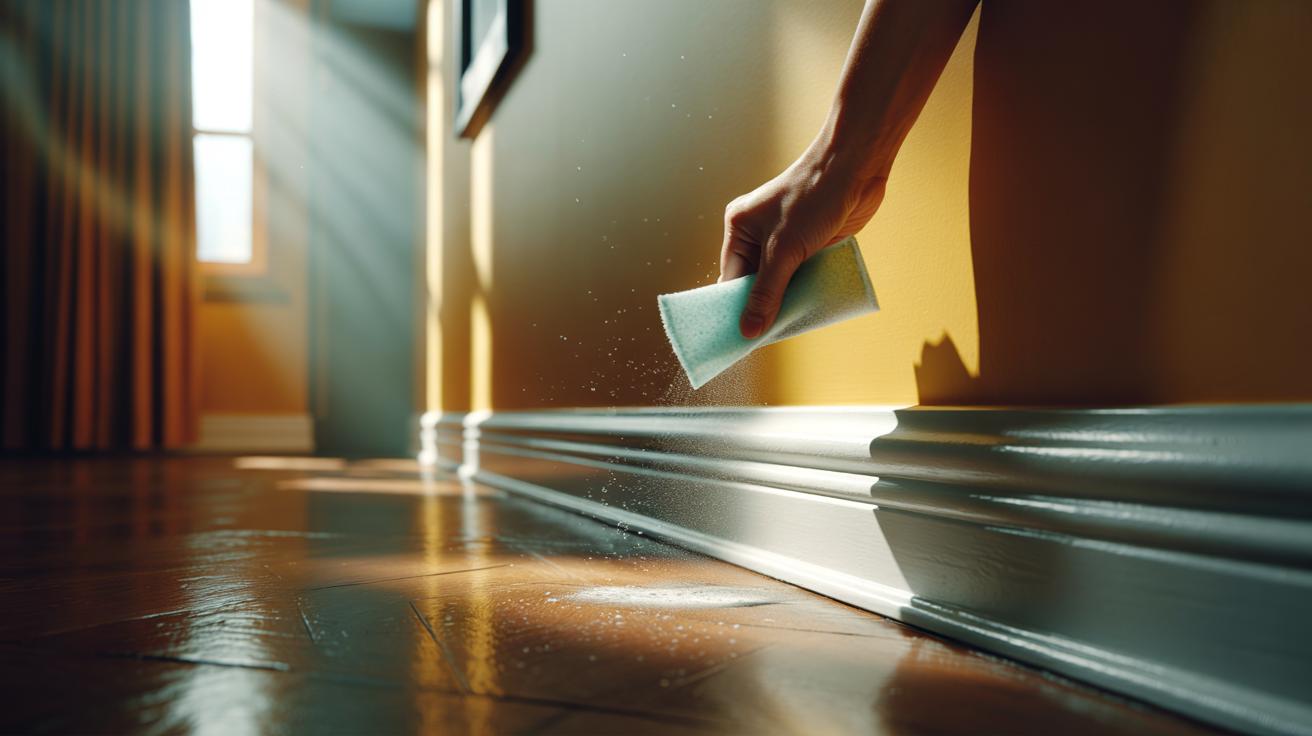
Baseboards attract grime in a way that feels unfair: they sit still, yet somehow grab every speck of lint and pet hair passing by. The humble fabric softener sheet—usually destined for the tumble dryer—offers a surprisingly effective answer. Thanks to its antistatic properties, it leaves a micro-thin film on painted wood or MDF that discourages dust from clinging. A quick wipe can reduce buildup and cut the frequency of cleaning rounds. In homes with central heating, carpeting, or busy corridors, this technique delivers a low-cost, low-effort edge against perpetual fuzz.
Why Antistatic Sheets Deter Dust
Dust often sticks through the triboelectric effect, where surfaces gain opposite charges through friction. When a baseboard’s surface becomes slightly charged, nearby particles—already charged by movement through air—are pulled toward it. Fabric softener sheets contain cationic surfactants, typically quaternary ammonium compounds, that form a conductive, lubricating film. This reduces surface resistivity and minimizes friction, so the baseboard is less likely to build charge. By dulling the static “magnet,” the sheet shifts the balance from attraction to indifference, helping dust drift past instead of sticking.
There is also a mechanical benefit. The slick layer left behind lowers snagging points where fluff catches, especially along decorative profiles. Less drag means fewer micro-jolts of static in the days after cleaning. Add in the sheet’s fibers, which pick up loose debris as you wipe, and you get a two-stage effect: immediate removal followed by short-term dust resistance. For painted trims, semi-gloss and satin respond especially well to this treatment.
Step-by-Step Method for Baseboards
Start by removing loose debris with a soft brush or vacuum using a crevice tool. Choose an unscented or low-fragrance dryer sheet if you’re sensitive to perfumes. Test on a hidden spot to ensure no discoloration on specialty paints. Holding the sheet flat, wipe slowly along the top edge, then follow the profiles. Turn or fold the sheet frequently to present a clean section. Light pressure is enough—the goal is to deposit an antistatic film, not to scour. Finish by buffing gently with a clean microfiber cloth.
For stubborn smudges, dampen a microfiber cloth with mild soapy water, dry thoroughly, then apply the antistatic wipe. In high-traffic rooms, repeat every two to four weeks. Swap sheets when they lose glide; fresh sheets slip easily and leave a uniform layer. Avoid unfinished wood, waxed finishes, or high-gloss lacquer until tested—some finishes can streak. Keep residues off flooring to prevent slips, and store used sheets safely away from pets and children.
Longevity, Safety, and Materials
Expect the antistatic effect to last one to three weeks, depending on humidity, airflow, and how often the surface is touched. Dry winter air amplifies static, shortening protection; humid summers extend it. For painted MDF or timber with modern acrylic or alkyd enamels, results are consistent. Oil-based trims accept the film well, though excessive rubbing can dull shine. If you see hazing, switch to lighter passes and buff immediately. On delicate heritage paints, test thoroughly or opt for a microfiber-only approach.
From a safety standpoint, avoid inhaling dust during wiping; work with windows cracked open in poorly ventilated rooms. Choose sheets with fewer additives if fragrance is a concern. Keep contact minimal on surfaces children touch frequently. While the film is thin, it is still a chemical residue. Small amounts on baseboards are generally acceptable for household use, but if you’re eco-focused, reserve the technique for high-dust areas and rely on microfiber elsewhere.
Comparing Dust-Control Options
Not every method suits every home. The table below compares the dryer sheet approach with two popular alternatives. Consider cost, residue tolerance, and how long each method keeps trims looking clean. Mixing techniques often yields the best balance—periodic antistatic wipes with routine microfiber dusting in between. If scent sensitivity or material compatibility is an issue, you can still gain a dust-repelling edge with neutral, conductive sprays designed for electronics, applied sparingly to a cloth before wiping.
For pet-heavy households or rooms with textiles that shed fibers, pairing a quick vacuum along baseboards with any of these methods markedly improves outcomes. Remember that airflow patterns—radiators, vents, and doorways—dictate where dust lands. Addressing those hotspots makes any technique more efficient and extends the interval between cleans.
| Method | How It Works | Pros | Caveats | Typical Longevity |
|---|---|---|---|---|
| Fabric softener sheet wipe | Deposits antistatic film that lowers surface charge and drag | Fast, low-cost, noticeable dust repellent | Light residue; test on delicate finishes | 1–3 weeks |
| Microfiber cloth | Mechanical pickup with split fibers, no residue | Safe for most finishes, fragrance-free | No ongoing antistatic protection | Immediate clean only |
| Electrostatic duster | Holds dust via induced static on the tool | Quick coverage, reusable | Can recharge surfaces if overused | Immediate clean; protection varies |
Used judiciously, the fabric softener sheet transforms baseboard upkeep from a weekly chore into an occasional touch-up. It softens the static handshake between trim and airborne particles, while maintaining a clean, low-gloss look when buffed. For best results, pair with regular vacuuming at floor level and keep ventilation filters in good shape. The method is simple, inexpensive, and easy to fit into a weekend reset. How might you adapt this antistatic trick—alongside microfiber and airflow tweaks—to tame the dust hotspots in your own rooms?
Did you like it?4.6/5 (23)