In a nutshell
- 🧽 Flour-and-water paste lifts scuffs via gentle mechanical action and light adsorption, drawing grime into the paste without scratching paint.
- 🥣 Mix roughly 2 parts flour to 1 part water to a spreadable consistency; apply with a microfibre cloth, keep pressure light, and test discreetly first.
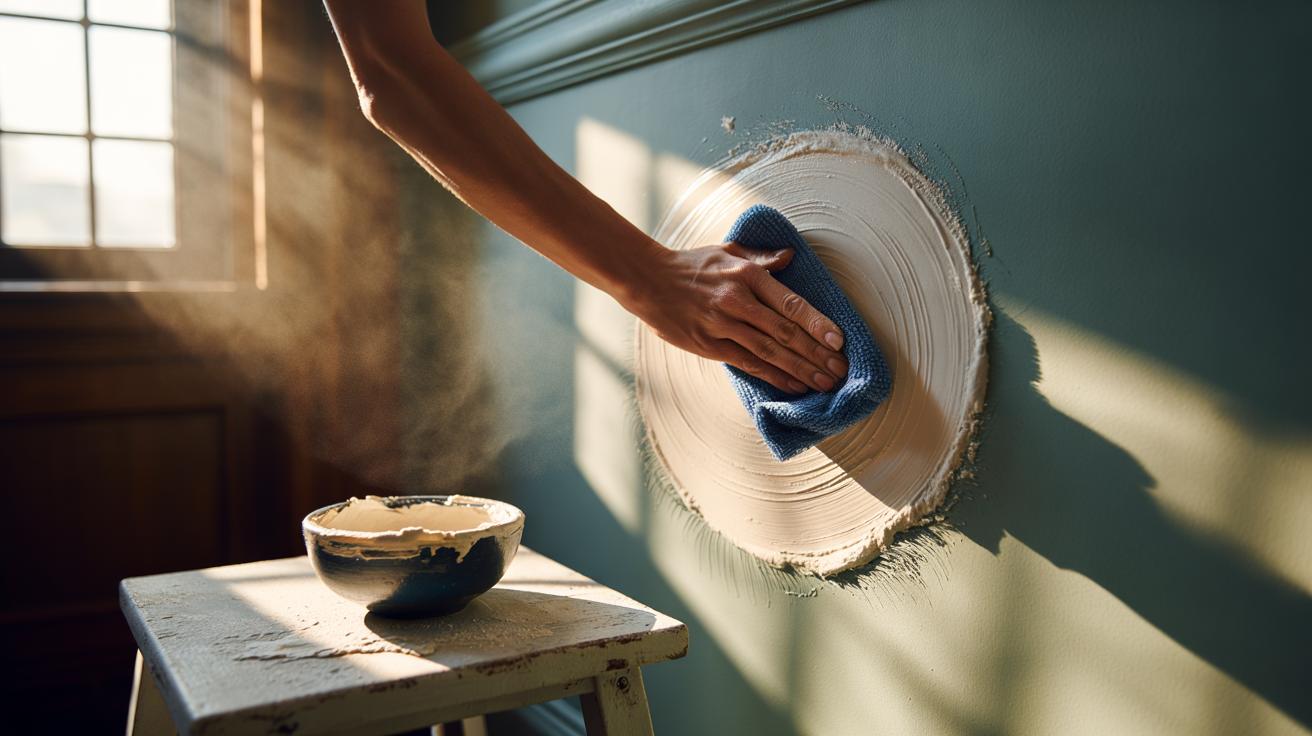
- 🔄 Work in small circles with gentle friction, allow brief dwell on stubborn marks, then rinse and buff dry; stop immediately if colour transfers to the cloth.
- 🎨 Adjust technique by finish: matt needs very light, brief passes; eggshell/satin tolerate a little more; gloss allows longer work but watch for residue lines.
- ⚠️ Remove all residue to avoid halos; avoid raw plaster and delicate finishes, and consider alternatives (e.g., sugar soap for grease, isopropyl alcohol for ink) when chemistry, not friction, is needed.
There is a humble trick that restores painted walls without harsh chemicals or pricey gadgets: a simple flour-and-water paste. When spread thinly and worked with gentle friction, this pantry blend lifts scuffs, shoe marks, and transfer grime while leaving most household paints unruffled. The method is low-cost, non-toxic, and oddly satisfying to use. Think of it as a soft, sticky micro-polish that coaxes dirt away rather than stripping finishes. Always test first in a discreet corner, as wall paints vary widely by sheen and age, but for everyday scuffs on sound finishes, you’ll often find the paste a forgiving alternative to eraser sponges or solvent wipes.
Why Flour-and-Water Paste Works
At its core, the paste combines mild mechanical action with light adsorption. The starches in flour swell with water to form a soft matrix that clings to dust, shoe-rubber residue, and everyday grime. As you work the paste with a microfibre cloth, tiny particles are loosened and drawn into the paste rather than smeared across the surface. Because the particles are soft and the pressure is light, it should not scratch intact paint. This is the crucial distinction from abrasive powders or harsh pads that can flatten sheen or burnish matt emulsions.
The trick lies in controlled, low-pressure circular motions that agitate the scuff while the paste acts like a carrier. The water content adds brief rehydration that helps lift residues, while the flour keeps everything from running. If you find the paint warming under your fingers or becoming tacky, stop and rinse; heat and overworking can alter a delicate finish. Done right, the method offers a gentle clean with minimal risk.
Mixing the Paste: Ratios, Tools, and Variations
A practical starting formula is two parts plain flour to one part water by volume. Aim for a smooth, spreadable texture—about like thin peanut butter—so it grips the wall without dripping. Use cool to lukewarm water and whisk to remove lumps. For greasy transfer marks, a single drop of mild washing-up liquid can help, but avoid salts or gritty additives that might abrade. You’ll need a small bowl, a soft microfibre cloth or non-scratch sponge, and a second cloth dampened with clean water for removal. Make only what you need; fresh paste performs best and reduces the risk of residue.
Pressure and dwell time vary by finish, so adjust technique rather than recipe. Keep movements small and light, replenishing paste as it loads with grime. Rinse the cloth frequently to prevent redepositing. Below is a quick reference for common paints.
| Paint finish | Typical location | Paste consistency | Pressure | Dwell time | Notes |
|---|---|---|---|---|---|
| Matt emulsion | Bedrooms, lounges | Soft, slightly looser | Very light | Brief, 30–60 sec | Do not overwork; can burnish |
| Eggshell/Satin | Halls, stairs | Standard | Light to moderate | 1–2 min | Good balance of durability and sheen |
| Semi-gloss/Gloss | Kitchens, trim | Standard to slightly firmer | Moderate | 2–3 min | Resilient; watch for residue lines |
Step-by-Step Method for Lifting Scuffs
Start by dusting the wall with a dry microfibre cloth; grit is the enemy of paint. Dab a fingertip of paste onto the scuff and smooth it into a thin film larger than the mark. Using a clean section of cloth, work in tight circles with gentle friction, keeping pressure consistent. If the scuff breaks up quickly, avoid the temptation to keep rubbing—stop as soon as the mark lifts. Let stubborn spots sit under the paste for up to two minutes, then resume with light motion.
Wipe away paste with a damp cloth, then buff dry with a second cloth to prevent tide marks. Check the area in raking light; repeat once if needed. On matt paints, abridge the process: shorter dwell, lighter touch, and no repeated passes. On gloss and satin, you can work a little longer but still keep the movement soft. If colour transfer appears on your cloth, you’re lifting paint—stop immediately.
For long black heel streaks or bike-handle transfers, try alternating a minute of paste with a minute of plain water wipe, allowing the surface to cool between cycles. This rhythm reduces the risk of softening the film while still coaxing residue free.
Safety, Limitations, and When to Use Alternatives
The paste is food-based and safe on most sealed surfaces, yet it must be removed thoroughly. Never leave residue to dry on the wall; it can attract dust or show as a faint halo. Avoid raw plaster, limewash, and specialist decorative finishes where water may mark. In older homes, intact historic coatings should be cleaned lightly and locally; where paint is flaking, stabilise before any rubbing. Keep tools clean, and change water often to prevent grey smears.
Some marks need different chemistry. For ink or dye transfer, a little isopropyl alcohol on a cotton bud may be quicker. Greasy splashes on kitchen paint may respond to diluted sugar soap, followed by a rinse. Melamine foam sponges lift tough scuffs but act like micro-abrasives; use sparingly on matt paints. The flour paste sits in a sweet spot: enough bite to lift everyday scuffs, not enough to scar sound finishes, and kinder to budgets and indoor air.
Used with a light hand, a flour-and-water paste can revive tired walls, minimise repainting, and keep busy hallways presentable between decorating cycles. The key is restraint: small amounts of paste, soft circular motion, timely rinsing, and careful inspection in good light. If you respect the paint’s limits—especially on delicate matt emulsions—you’ll find this pantry method disarmingly effective for everyday living. Will you try the gentle-paste approach on your most scuffed spot and note how little pressure it actually requires, or is there a particular mark that still tempts you to reach for something stronger?
Did you like it?4.5/5 (30)