In a nutshell
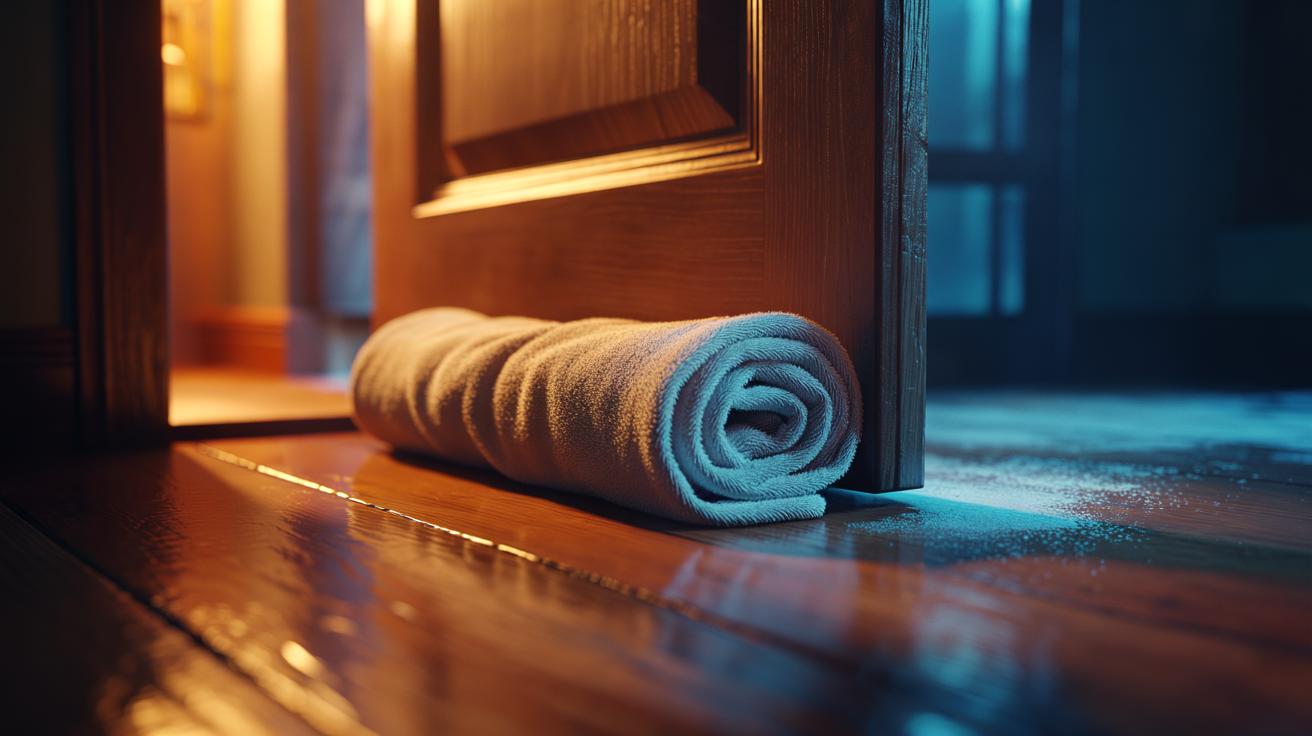
- 🧣 A folded towel acts as a soft gasket, reducing the door gap’s cross-sectional area and friction-slowing draughts, which stabilises room temperature.
- 🌡️ Fabric traps still air within its fibres, boosting thermal resistance and cutting convective heat loss—loft matters more than mere thickness.
- 🧵 Material choice counts: cotton for easy moulding, fleece for loft, wool for superior air-trapping, and foam for consistent seals, each with trade-offs.
- 🛠️ Best practice: size the roll 10–20% larger than the gap, keep it dry and lofty, place on the colder side, and consider twin-tube sleeves for frequently used doors.
- 💷 Practical benefits: reducing infiltration can trim heating demand and deliver tens of pounds in savings while improving comfort in older, draught-prone homes.
Energy-conscious households in Britain have long relied on a folded towel under the door to stem a biting draught. It looks quaintly simple, yet it is rooted in solid physics. The towel behaves like a temporary gasket, creating a barrier that slows chilled air leaking through gaps and lowers the rate at which warm indoor air escapes. By taming air movement, it keeps the living space more stable in temperature and reduces the urge to crank up the boiler. This low-tech fix is quick, reversible, and costs nothing if you already own a spare towel, making it a savvy bridge between common sense and energy efficiency.
Why a Folded Towel Stops Draughts
At its core, a door gap is a tiny wind tunnel driven by pressure differences from wind and the stack effect in heated homes. Cold air wants to rush in at floor level while warm air drifts upward, creating circulation that saps comfort. Folded fabric reduces the opening’s cross-sectional area and introduces friction, turning fast laminar flow into slow, tortuous seepage. Block the route, and you blunt the convective conveyor belt that steals warmth. With airflow throttled, rooms hold onto heat longer and the thermostat cycles less often.
The towel’s mass and flexibility help it mould to irregularities at the threshold, unlike rigid strips that can leave micro-gaps. Its pile traps still air, adding a smidge of thermal resistance where there used to be a cold bridge. Think of it as a soft gasket rather than a heater: it doesn’t create warmth; it protects what you’ve already paid to produce. Small reductions in infiltration accumulate into noticeable comfort gains, especially in older properties with lively gaps around internal doors.
How Fabric Traps Heat Inside
Insulation works by imprisoning air, because still air is a poor conductor of heat. Towels excel at this thanks to their looped fibres and high porosity. Air is split into countless tiny pockets that force a long, winding path for both heat and draught. By thickening the barrier and increasing surface friction, the towel cuts convective transport at the gap and saps momentum from incoming cold air. The aim is to slow moving cold air, not to warm the towel, which is why a dense, fluffy fabric performs better than a thin, tight weave.
Compression is the enemy. If you squash the towel to a hard wedge, you flatten those air pockets and lower its effective R-value. A gentle roll that fills the gap without being crammed preserves loft and sealing contact. Moisture matters, too: a damp towel conducts heat more readily and can spread mould spores on cool floors. Keep the fabric dry and lofty for the best balance of seal and insulation.
Which Materials Work Best
The ideal stopper combines weight for sealing, loft for trapping air, and a cover that tolerates scuffs. Most households reach for cotton because it’s plentiful and absorbent, but other textiles compete well. In general, look for bulk, resilience, and a surface that grips the floor without shedding fibres. Bigger loops and thicker piles help, but density and fit are just as critical. If you’re buying or DIY-ing a draught “snake,” filling matters too: grains, sand, or polyester fibre each change how the barrier sits and seals.
| Material | Key Property | Pros | Cons | Best Use |
|---|---|---|---|---|
| Cotton Towel | Loopy pile, good loft | Common, washable, moulds to gaps | Wicks moisture; compresses if overrolled | Quick, no-cost stopgap |
| Fleece | Soft, springy fibres | Retains loft; light and grippy | Can drift with door movement | Light internal doors |
| Wool | Natural crimp, resilient | Great at trapping still air | Pricier; needs careful washing | Permanent draught snake |
| Foam Sleeve | Closed-cell cushioning | Consistent seal; low water uptake | Less flexible for uneven floors | Under-door twin-tube designs |
In practice, a hefty cotton bath sheet rolled to the door’s width offers a reliable seal. For slick floors, a cover with slight texture prevents slippage. Keep the roll tall enough to meet the door bottom without scraping, and wide enough to extend beyond the gap at both jambs so air can’t sneak around the ends.
Practical Setup, Safety, and Maintenance
Measure the gap: if you can see daylight, you’ll feel draught. Aim for a roll height 10–20% larger than the gap so the towel kisses both the floor and the door bottom without binding. A double-roll—fold the towel lengthways, then roll from both edges to meet in the middle—creates two compressible lobes that seal uneven thresholds. Place the roll on the colder side of the door if possible, which reduces the pressure pushing cold air in. For doors that swing often, a fabric sleeve or twin-tube under-door excluder keeps the seal aligned.
Hygiene and safety matter. Shake out grit that could scratch floors, and launder to avoid mould and dust build-up. Keep the towel clear of heaters or naked flames. Ensure it doesn’t become a trip hazard at night and that escape routes remain easy to open. From a cost perspective, plugging a lively internal gap can cut heating demand a touch; on a £1,200 annual bill, even a modest 5–10% infiltration reduction at key gaps can save tens of pounds. It’s a classic low-risk, high-return tweak.
In a country of changeable weather and characterful housing, the folded towel endures because it works with physics, not against it. By choking the pathway cold air prefers, it protects your investment in warmth while improving comfort in real, everyday ways. It won’t replace proper sealing or new thresholds, but it buys time and lowers the urgency. With a few minutes and a spare towel, you can test the effect tonight. Where might you deploy this simple fabric fix next, and what other small changes could compound your home’s cosy gains?
Did you like it?4.5/5 (21)