In a nutshell
- 🔥 Heat loosens pressure-sensitive adhesives as they near their glass transition temperature, so a hot spoon lowers viscosity and weakens grip for a clean peel.
- 🥄 Method: warm a stainless-steel spoon, press the convex side to the label edge, slip the rim under, and use a low-angle pull with periodic reheats to avoid tearing and residue.
- 🧴 Surfaces: glass, glazed ceramic, and metal release cleanly; with plastics (PP, PET, ABS) use moderate heat, test first, and protect paints and varnishes from overheating.
- 🧼 Residue fixes: reheat and roll off gum; on glass use isopropyl alcohol, on plastics start with washing-up liquid plus a little oil or citrus cleaner; keep wood contact minimal.
- 📊 Adhesive types differ: rubber-based PSA (40–60°C), acrylic (55–80°C), hot-melt (60–90°C); try spoon heat first, then add targeted solvents only if needed.
Every kitchen drawer hides a humble hero: the spoon. Heat it gently and it becomes a quiet assassin of stubborn stickers, sliding under labels that once seemed welded to glass jars, wine bottles, and plastic boxes. This simple trick harnesses the science of thermoplastic adhesives, letting us lift labels in tidy sheets instead of shredding them into papery confetti. It is cheap, safe, and oddly satisfying. Heat softens pressure‑sensitive glues so they release cleanly from smooth surfaces. Whether you’re upcycling jam jars or removing shop tags without mess, the hot spoon method turns a fussy chore into a one‑minute win—no harsh solvents, no scratched finishes.
Why Heat Works on Adhesives
Most retail labels rely on pressure‑sensitive adhesives (PSAs) designed to be tacky at room temperature. They are typically thermoplastic, meaning their internal structure loosens with heat. As temperature rises towards the adhesive’s glass transition temperature (Tg), the glue’s viscosity drops and its grip weakens. A metal spoon, warmed in hot water or steam, acts as a compact heat reservoir, delivering controlled warmth precisely to the label interface. By softening the glue right where paper meets surface, you need less force, which prevents tearing and residue.
Because metal conducts heat efficiently, the spoon spreads warmth evenly across a few centimetres, avoiding hot spots that can warp plastics. The trick is to aim for “soft and tackless”, not “scalding”. For many PSAs, this sits roughly between 45–70°C—hot to the touch, but below the point where common household plastics deform. The result is a clean peel with minimal fibre shedding and notably less gum left behind.
Step-by-Step: The Hot Spoon Method
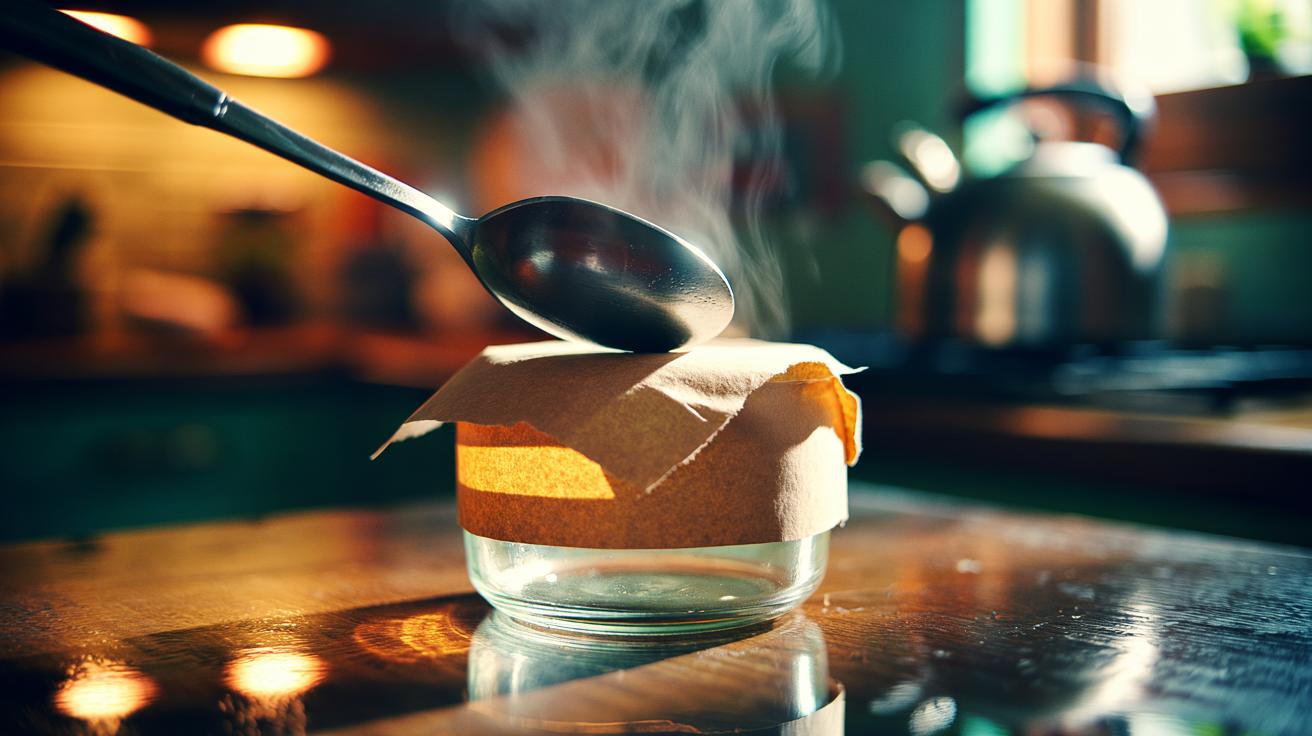
First, clean dust from the label so heat can transfer. Warm a stainless‑steel spoon in freshly boiled water for 15–30 seconds, or rest it briefly in kettle steam. Dry it quickly. Press the convex side of the hot spoon onto one edge of the label for 5–10 seconds to pre‑soften the glue, then slide the rim under a corner. Keep the metal moving and reheat as needed; consistent warmth is more effective than brute force.
Once a corner lifts, alternate between gently pulling the label back on itself at a low angle and gliding the spoon beneath the paper. For thick paper labels, repeat the warm‑lift‑reheat rhythm in short sections. If the spoon sizzles or the surface feels too hot, cool for a moment to protect plastics and varnishes. Stubborn patches can be persuaded with a second pass: rewarm, press, and roll the remaining residue with your thumb or a soft cloth while the adhesive is supple. Finish with a mild wash.
Choosing the Right Surface and Temperature
Glass and glazed ceramics love this technique: they tolerate heat well and release adhesives predictably. Metal tins also behave nicely, but watch paintwork. With plastics—PP, PET, or ABS—moderation is key. Aim for a spoon that is hot but comfortable to hold at the handle; if it hisses or mars the sheen, it’s too hot. Always test an inconspicuous spot before committing prolonged heat to coated wood, lacquered metals, or delicate plastics. For textured plastics or embossed containers, work in smaller heated zones to avoid stretching the label paper and smearing glue.
Paper‑covered boards and unsealed wood are risky because adhesive can migrate into pores. If you must proceed, touch heat lightly and lift in stages, accepting that a faint ghost may remain. A hairdryer is viable, but the spoon excels at targeted heat without blowing fibres around. The aim is controlled softening: brief contact, gentle leverage, and periodic reheats keep both surface and label intact.
When It Fails: Residue, Old Glue, and Alternatives
Age, sun exposure, and cheap paper can leave brittle labels or gummy haloes. Once you’ve removed the bulk, warm the area again and rub with a soft cloth; the adhesive will often ball up and lift. If residue persists, pair mild heat with a sparing solvent tailored to the glue type and surface. On glass, isopropyl alcohol or a citrus (d‑limonene) cleaner works well; on plastics, start with washing‑up liquid and a drop of cooking oil to avoid stress‑cracking. For varnished wood, use minimal moisture and blot rather than scrub.
Understanding the adhesive helps you choose the gentlest fix. Here’s a quick reference to typical behaviours and softening tactics:
| Adhesive Type | Typical Softening Range | Best First Approach | Cautions |
|---|---|---|---|
| Rubber‑based PSA | 40–60°C | Hot spoon, slow peel | May smear; wipe warm with cloth |
| Acrylic PSA | 55–80°C | Hot spoon plus alcohol on glass | Test alcohol on plastics |
| Hot‑melt | 60–90°C | Prolonged spoon heat, then lift | Avoid overheating plastics |
A warmed spoon turns label removal from ordeal to neat ritual, and it’s kinder to surfaces than scraping or saturating with solvents. By targeting heat where it counts, you coax the glue to let go on your terms. Keep the motion gentle, reheat often, and escalate only when residue insists. With a little patience, most labels will surrender in one clean, curling sheet. What household trick do you pair with heat—oil, alcohol, or a citrus dab—and on which awkward surface has it saved your afternoon?
Did you like it?4.4/5 (28)