In a nutshell
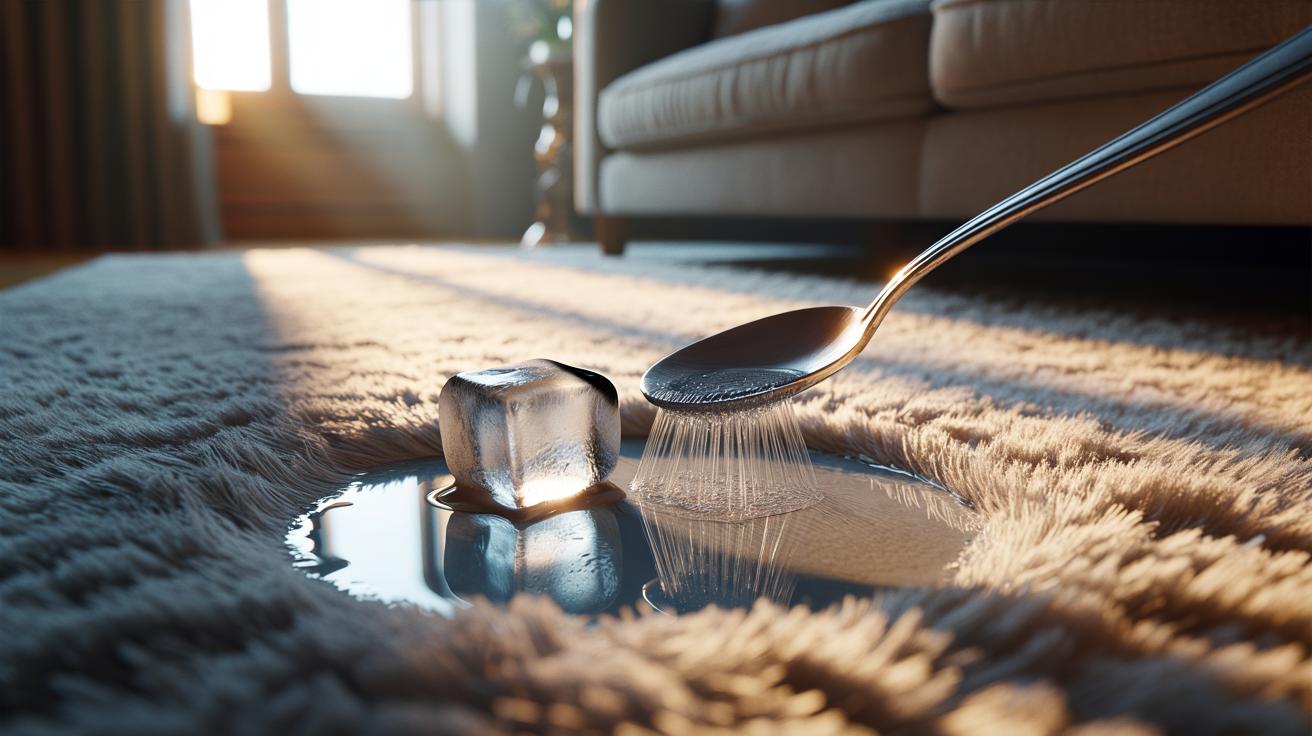
- ❄️ The ice cube method uses slow melting to rehydrate the carpet pile via capillary action, allowing fibres to bounce back without harsh heat or chemicals.
- 🛠️ Step-by-step: place cubes on dents, let them melt 30–60 minutes (longer for deep dents), blot, gently lift fibres with a spoon/brush, then air-dry and vacuum; repeat if needed.
- 🧵 Fibre facts: wool and nylon recover well; polyester and polypropylene may need extra grooming; avoid viscose/sisal and keep moisture minimal with a patch test.
- 🔥 Alternatives: use a damp towel with a warm iron, a handheld steamer, or a pile lifter—keep heat low and indirect; severe dents might need professional re-stretching or extraction cleaning.
- 🛡️ Prevention: add furniture coasters, rotate layouts, and shift weight periodically; patience and gentle grooming help prevent dents from setting deeper.
Indentations left by heavy furniture can make even a well-kept room look tired. Enter the humble ice cube: a low-cost, low-tech remedy that helps flattened carpet fibres spring back without harsh chemicals or specialist kit. By letting a cube melt slowly into a dent, you give the pile a measured dose of moisture and time to recover. The method suits tenants, homeowners, and anyone who prefers a minimal-effort fix. Used correctly, it is gentle on most modern carpets and kinder to the environment than heat-heavy alternatives. Below, we unpack the science, the step-by-step process, and the smart precautions that ensure fibres bounce back—not your maintenance budget.
Why Ice Helps Carpet Fibres Recover
Carpet dents appear when the pile—the upright yarns you walk on—becomes compressed under weight. The ice cube method works because melting water rehydrates fibres and the backing, allowing them to relax and rise. As the cube melts gradually, water moves by capillary action along the yarns, softening tiny kinks formed under pressure. The controlled, slow release of moisture is crucial: it prevents sudden oversaturation and reduces the risk of marks or odours. For materials like wool, hydration lets the natural crimp recover; for thermoplastic fibres such as nylon, a little warmth from the room helps reset the pile’s “memory.”
There’s a secondary effect too: as the backing absorbs minimal moisture, it swells slightly, reducing the pinch around the tuft bases. This gives the pile room to spring up when gently teased with a spoon or soft brush. Patience matters. Rushing with heat can set dents deeper. Allow water to soak in and fibres to relax fully before grooming or vacuuming.
Step-by-Step: The Ice Cube Method
1. Clear and assess: Move furniture and inspect the dent. If the carpet is dirty, lightly vacuum to avoid grinding soil into the pile. 2. Place cubes: Put one standard ice cube per small dent, or 2–3 for a long furniture footmark. Aim the ice at the deepest part. 3. Let it melt: Leave for 30–60 minutes as the cube dissolves. On thick pile, you may need up to 90 minutes. Do not rush with a hairdryer at this stage; the gradual melt is the magic.
4. Blot, then lift: Blot excess moisture with kitchen towel. Use a teaspoon edge or soft brush to tease fibres upright, working from the edges into the centre. 5. Dry and set: Circulate air with a fan and open windows. Finish with a vacuum on an appropriate height setting to “set” the pile. 6. Repeat if needed: Deep dents may require a second round. Stop if the backing feels saturated or if colour transfer appears on your cloth.
Timing, Fibre Types, and Precautions
Not all carpets respond identically. Wool often recovers elegantly due to its natural crimp, while resilient synthetics like nylon rebound promptly. Polyester and polypropylene are more crush-prone but still benefit from hydration and grooming. Backings matter: jute can shrink if soaked; synthetic backings are safer. Always test a discreet area, especially on dyed wool or patterned weaves. Minimal moisture is the rule—damp, not drenched. Keep an eye on timber subfloors and avoid prolonged wetness on carpet tiles where adhesive might loosen. If you spot brownish “cellulosic browning” on natural backings, stop and consult a professional cleaner.
| Fibre | Response to Ice | Suggested Dwell Time | Cautions |
|---|---|---|---|
| Wool | Excellent rebound; natural crimp | 45–60 minutes | Patch test for colourfastness |
| Nylon (Polyamide) | Fast recovery; resilient | 30–45 minutes | Avoid high heat after |
| Polyester | Moderate; may need repeat | 45–75 minutes | Groom thoroughly |
| Polypropylene (Olefin) | Variable; crush-prone | 60–90 minutes | Do not over-wet backing |
| Viscose/Sisal | Poor; risk of damage | Not recommended | Seek alternatives |
Alternatives and When Ice Isn’t Enough
Some dents, especially those formed over years beneath castors, need extra help. Try a damp towel and warm iron: lay the towel, briefly hover the iron to create steam (do not press hard), then lift and groom. A handheld steamer can relax fibres, but keep it moving and end with immediate air circulation. A pile lifter brush or carpet rake boosts results after either method. Always keep heat low and indirect to avoid melting synthetic fibres.
If the dent aligns with carpet ripples or slackness, consider re-stretching by a professional fitter. Ingrained marks can benefit from hot water extraction, which cleans and hydrates the pile uniformly. Avoid moisture-heavy approaches on viscose, sisal, or seagrass; for these plant-based or regenerated fibres, consult a specialist. For prevention, use furniture coasters, rotate layouts seasonally, and shift weight slightly during cleaning. Prevention beats cure when the pile sits under constant pressure.
The ice cube method endures because it’s simple, targeted, and gentle on most modern carpets. By delivering slow hydration, then grooming and drying properly, you let compressed fibres find their natural height without scorching or chemical stress. A few household tools—a cube tray, a spoon, some towels, and a fan—can turn persistent dents into a tidy, even pile again. As you rethink room layouts or prepare for guests, this trick earns its keep. Which stubborn dent in your home will you tackle first, and what tweaks will you try to fine-tune the rebound?
Did you like it?4.3/5 (21)