In a nutshell
- 🧪 The simmer releases terpenes—notably limonene, citral, and linalool—that neutralise odours via adsorption, acid–base reactions, and oxidation, transforming smells rather than merely masking them.
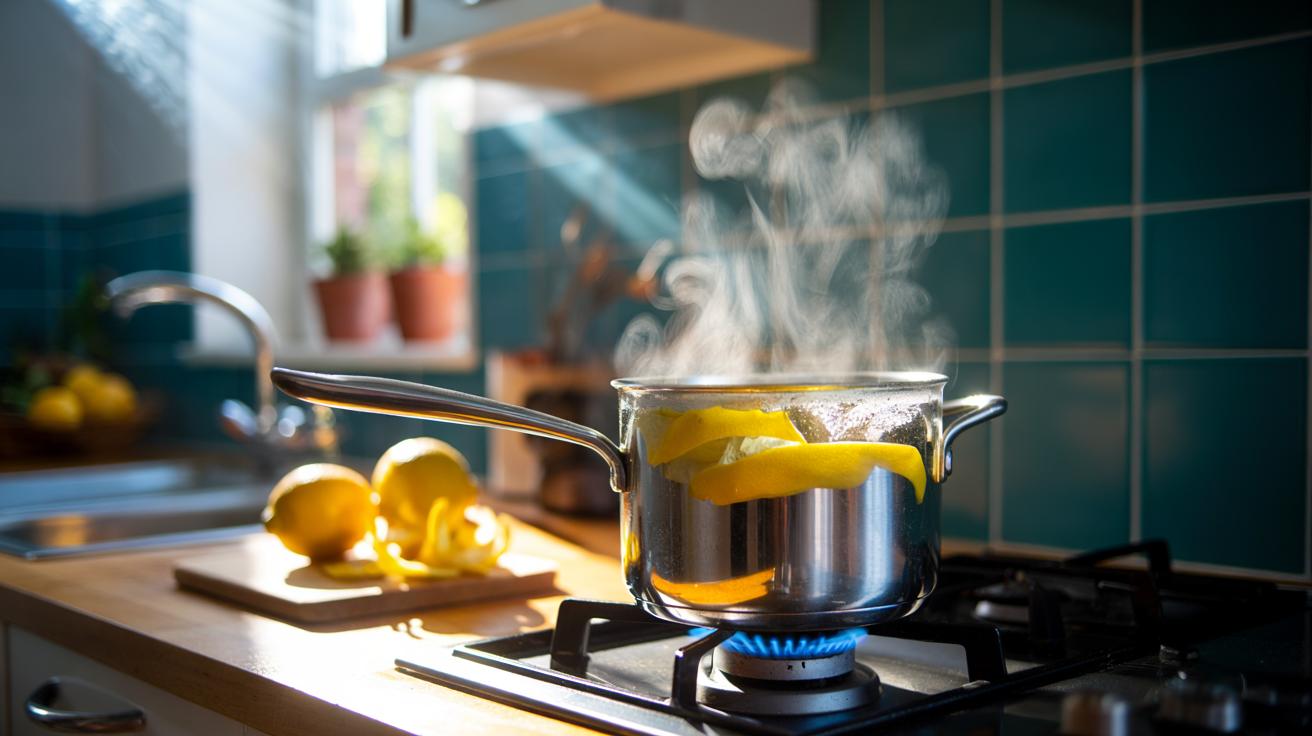
- 🍋 Practical method: use the peel of two lemons in 500–700 ml water at a bare simmer for 20–30 minutes with the lid ajar, letting citrus vapour circulate; top up water, never boil dry, and pair with an extractor for faster odour control.
- 🌬️ Air-quality note: limonene–ozone reactions can form secondary aerosols—ensure good ventilation, keep simmers brief if sensitive, and consider pairing with a HEPA purifier.
- 🚫 Limits: heavy smoke, char, or damp-related mustiness need deeper cleaning, laundering, and activated charcoal; citrus cannot fix structural moisture problems.
- ♻️ Sustainable habit: turns kitchen waste into circular living, reduces reliance on aerosol sprays, and the cooled lemon water doubles as a gentle degreaser before the peels are composted.
Simmering leftover lemon peel in a small pan of water is one of those quiet domestic tricks that feels like alchemy. Within minutes, a clean, bright scent drifts through the kitchen and stubborn cooking whiffs begin to recede. Beyond pleasant fragrance, this is a practical, low-cost form of air care that uses what you already have: citrus skins and a hob. As heat releases plant compounds from the zest, they meet and transform odour molecules hovering above your cooker and sink. The result is a fresher room without heavy sprays or synthetic additives, and a simple ritual that folds sustainability into everyday cooking.
How Citrus Vapour Works: The Chemistry in Your Saucepan
When lemon peel warms, it releases a bouquet of terpenes—notably limonene, along with traces of citral and linalool. These volatile organic compounds (VOCs) are carried by steam into the room. Some odours are merely masked by this bright citrus note, yet others are genuinely altered. It does more than cover smells; in many cases it drives real chemical change. Greasy, lingering aromas from frying contain reactive species that can be seized by limonene, which oxidises in air and reshapes the scent profile into lighter compounds perceived as fresher.
Put simply, three mechanisms dominate. First, adsorption: odour molecules cling to microscopic droplets and surfaces formed by the warm mist, then settle out. Second, acid–base neutralisation: amine-heavy smells—fishy, eggy notes—are protonated by slightly acidic water vapour enriched by the peel, dulling their sharpness. Third, oxidation: citrus terpenes react with indoor oxidants (notably ozone), converting sulphurous or fatty odours into less pungent species. The combined effect is a noticeable drop in perceived odour intensity without resorting to artificial perfumes.
This chemistry is not without caveats. Limonene–ozone reactions can create tiny secondary aerosols; keep the room ventilated. For most homes, a gentle simmer with a cracked window or an extractor on low balances odour control with indoor air quality.
Practical Method: From Peel to Purified Air
Save the peel from two lemons—zest scraps and pith are both useful. Place them in a small saucepan with 500–700 ml of water. Bring to a bare simmer, then reduce heat so the surface trembles. Leave the lid slightly ajar to let the citrus vapour escape. After 10 minutes you’ll notice improvement; 20–30 minutes usually clears a typical post-cooking haze. For stubborn smells, add a few cloves or a strip of orange peel to broaden the blend. Keep water topped up; never let the pan boil dry, and do not leave it unattended. Pairing the simmer with an extractor fan on low accelerates the clean-up.
| Component in Citrus Vapour | Primary Action | Best Against | Notes |
|---|---|---|---|
| Limonene | Oxidises stubborn odour molecules | Grease, stale fry smells | Ventilate to minimise secondary aerosols |
| Citral | Reacts with sulphur/amine notes | Fish, brassicas | Bright lemon aroma; photolabile |
| Linalool | Pleasant masking, calming floral tone | General mustiness | Patch-test surfaces; some skin sensitivity |
| Mildly acidic water vapour | Protonates amines (neutralisation) | Eggy, fishy notes | Keep acidity gentle; avoid corrosive additives |
When It Works, When It Doesn’t: Evidence and Limits
Lab and field studies on indoor air chemistry show that terpene-rich mixtures like lemon peel vapour can cut perceived odour intensity and improve hedonic ratings. In domestic trials, occupants often report a 30–60% reduction in “stale” notes after a 20-minute simmer. The approach excels with short-lived cooking residues—fried oil, fish, onion—and with bins or drains that need a nudge between cleans. Ventilation remains essential: open a window or run an extractor to manage moisture and any by-products formed as terpenes react with ozone or nitrogen oxides drifting in from outside.
There are boundaries. Smoke from burnt food, char or heavy curry spices can permeate fabrics and paint; they demand laundering, scrubbing, or activated charcoal to capture particles. Persistent mouldy smells usually signal damp problems that citrus cannot repair. Sensitive individuals may prefer briefer simmers, as some terpenes are mild respiratory irritants at high concentrations. For households with allergies, pair the lemon pan with a HEPA purifier and address the source—fat-splattered surfaces, clogged filters, or lingering pans—so the vapour’s chemistry complements cleaning rather than replacing it.
Sustainable Kitchen Ritual: Waste Less, Breathe Better
This is a zero-fuss bit of circular living. The peel you’d usually bin becomes a housekeeper, displacing aerosol sprays in propellant cans and complex fragrance cocktails. In a UK winter, the gentle simmer adds a touch of humidity that offsets desiccating central heating. Energy use is modest on the lowest hob setting, and the benefits stack: nicer air, fewer synthetic additives, and a ritual that keeps you present in the kitchen. It’s a small habit with outsized returns, linking flavour, fragrance, and frugality without leaving a chemical fog behind.
Extend the loop: once cooled, the lemon water cuts grease on chopping boards or the hob; the softened peel freshens the sink disposal. Then compost what remains. For citrus-averse households, test alternative peels—orange or grapefruit—though lemon’s mix of citral and limonene delivers the crispest clean. If you’re sensitive to scent, simply shorten the simmer and lean more on ventilation; the method adapts to your space and tolerance.
In a world of plug-ins and perfumed sprays, the lemon-peel simmer is striking for its simplicity: heat, peel, water, and a dash of chemistry that makes a kitchen feel honestly clean. It works with the rhythms of cooking rather than fighting them, and it turns waste into a tool for fresher air. If you try it for a week, note how quickly the room clears after meals and how rarely you reach for aerosols. What tweaks—spices, timings, ventilation—would make this citrus ritual perfect for your home?
Did you like it?4.7/5 (25)