In a nutshell
- 🧪 Vodka spray refreshes fabrics as ethanol dissolves odour molecules and reduces microbes; it evaporates quickly, leaving no residue and a neutral scent—ideal as a deodoriser rather than a full disinfectant.
- 🧬 Alcohol destroys bacteria by disrupting lipid membranes and denaturing proteins; water enhances efficacy, so 60–80% alcohol is best for sanitising, while vodka’s ~40% ABV mainly curbs smells.
- 🌫️ Safe use: apply a fine-mist from 20–30 cm, target odour zones, allow short dwell, ensure ventilation, and keep away from flames (flammable vapours); always patch-test silks, acetate, rayon, and leather.
- ⚠️ Know limits: mildew, smoke, and set-in body oils may resist alcohol; choose enzyme detergents, oxygen-based boosters, professional cleaning, or gentler refreshers like bicarbonate, steaming, and charcoal; freezing garments is a myth.
- 🧭 Choosing alcohol: vodka deodorises everyday fabrics; 70% isopropyl sanitises faster but can be harsher; denatured spirits may leave additives—use the quick guide to match alcohol type to fabric.
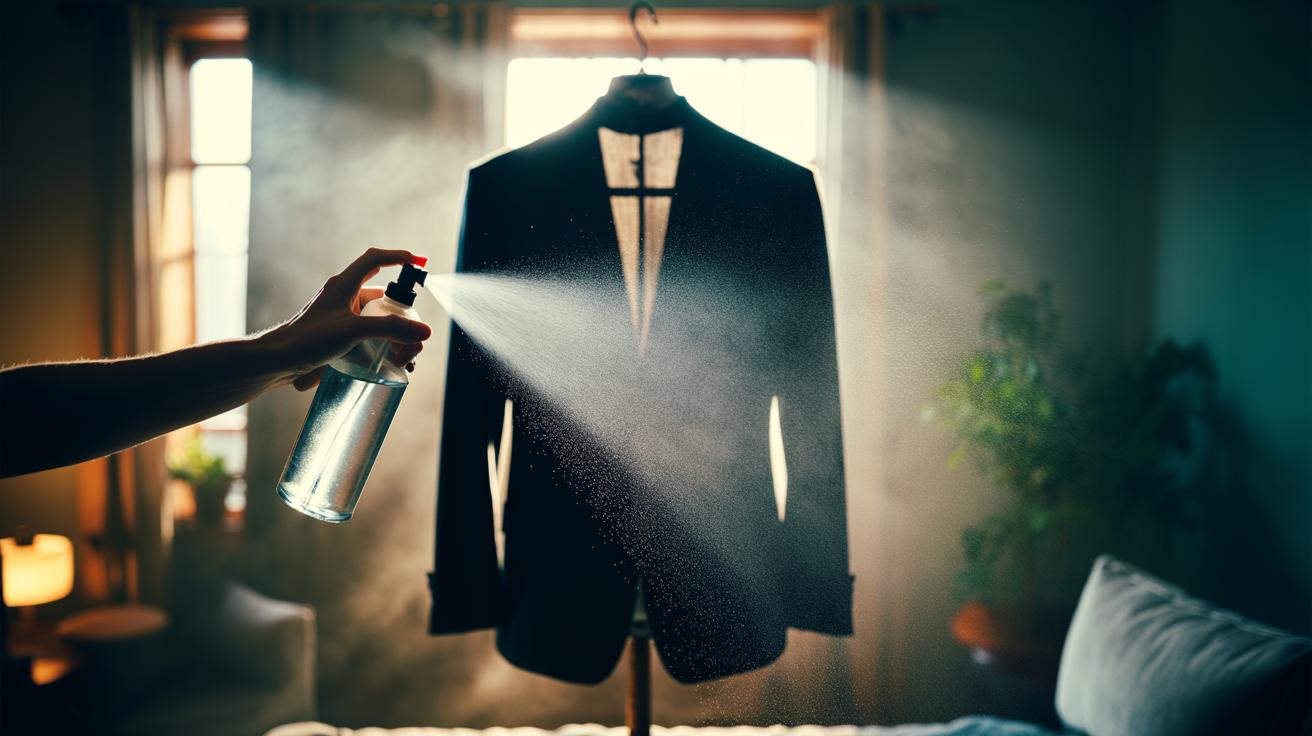
Vodka in a spray bottle has become the fashion editor’s quiet fix for musty blazers and smoky scarves. Far from a gimmick, the trick rests on chemistry: ethanol is volatile, dissolves many smell-causing molecules, and knocks back microbes that generate stink. A fine mist spreads through fibres, lifts odours, then evaporates fast, leaving no residue or perfume trail. Used judiciously, it can refresh garments between washes, extend wear, and reduce laundry loads. Below, we unpack how alcohol disrupts bacteria, the concentrations that matter, and the safe way to spritz sofas, coats, and gym kit without risking fabric damage or fire hazards.
How Vodka Neutralises Odours on Fabric
The science is straightforward. Ethanol is amphiphilic: one end bonds with water, the other with oils. That duality lets it slip through bacterial lipid membranes, denaturing proteins and punching holes that leak vital contents. Water assists this process, which is why solutions around 70% often outperform absolute alcohol. Standard vodka sits at about 40% ABV, so it is not a hospital-grade disinfectant, but it still reduces microbial load and dissolves many odour molecules, including fatty acids and some sulphur compounds that cling to fibres. Its edge is speed: rapid evaporation drives off dissolved volatiles and leaves fabric dry and neutral-smelling.
Applied as a fine mist, vodka spreads evenly and avoids dark wet patches that can mark cloth. Let the garment hang with good airflow so ethanol can work along the fibre and then flash off. Because it removes smells rather than masking them, the result is a cleaner “no-scent” finish rather than a cocktail of fragrances. A light mist is enough—soaking fabric does not improve results and slows evaporation. Always spot-test bright dyes; although ethanol rarely affects colourfast modern fabrics, vintage finishes and delicate prints can be unpredictable.
Choosing the Right Alcohol and Concentration
Concentration matters. For genuine sanitising, the sweet spot is typically 60–80% alcohol in water, where there’s enough water to aid protein denaturation and enough alcohol to disrupt membranes. Vodka at 40% is best thought of as a deodoriser that curbs bacteria rather than a full-spectrum disinfectant. Isopropyl alcohol at 70% is punchier on microbes but can be harsher on delicate fibres and carries a stronger scent. Denatured alcohols and “surgical spirit” often include additives that may leave odours or residues on clothes. For true sanitising tasks, aim for a 70% alcohol-in-water solution and avoid perfumed formulations.
Fabric dictates choice. Cotton, linen, and most polyesters tolerate light alcohol mists well. Exercise caution with silk, acetate, rayon, and leather, where finishes can cloud or stiffen. Always perform a patch test on an inside seam and allow full drying before committing. Keep in mind that added denatonium or camphor in some spirits can leave a bitter note. The quick guide below helps match alcohol type to the job at hand.
| Alcohol | Typical Strength | Odour Removal | Disinfection Power | Fabric Notes |
|---|---|---|---|---|
| Vodka (ethanol) | 40% ABV | Good for light to moderate smells | Limited; reduces bacterial load | Safe on cotton/poly; patch-test silks, prints |
| Isopropyl alcohol | 70% | Very good; fast evaporation | High; effective with short dwell | Can be harsh on delicate fibres; stronger odour |
| Denatured ethanol/surgical spirit | 60–80% | Good, but additives may linger | High; depends on formula | Patch-test; avoid on leather and acetate |
Safe Application: Steps and Common Mistakes
Decant your chosen alcohol into a fine-mist atomiser. Hang the garment, stand 20–30 cm away, and mist the inside and outside lightly, focusing on underarms, collars, and linings where bacteria thrive. Allow a dwell time of two to five minutes so ethanol can interact with membranes and odour molecules, then let air flow finish the job. Always spray in a well-ventilated area and keep away from flames, pilot lights, and hot appliances—alcohol vapour is highly flammable. Turning garments inside out before spraying often improves results while protecting visible surfaces.
Avoid common errors. Over-wetting slows evaporation and can leave tide marks on fragile weaves. Do not mix alcohol with bleach or other chemicals; combinations can produce toxic fumes or damage fibres. Skip delicate finishes like silk, flocking, and certain acetates unless a patch test proves safe. If an odour persists, repeat with a second light pass rather than a drench, and give time for full dry-down before judging. Ventilation, restraint, and a quick patch test are your three best safeguards.
When a Spray Won’t Do: Limits and Alternatives
Some smells won’t bow to alcohol alone. Not all odours are bacterial: mildew signals fungal growth within fibres, smoke embeds tarry residues, and set-in body oils oxidise into stubborn aromatics. In these cases, laundering is wiser. Use enzyme detergents to break down proteins and lipids, add oxygen-based whiteners for dinginess on cottons, and line-dry in sunlight where UV and airflow help. Rugs, heavy coats, and tailored jackets may need professional wet cleaning or ozone treatment to tackle deep contamination without distorting structure.
For gentler refreshers, try an overnight sprinkle of bicarbonate of soda on dry fabrics, a garment steamer for heat-assisted odour release, or activated charcoal sachets in wardrobes to absorb volatiles. Freezing clothes to “kill bacteria” is largely folklore for domestic settings; many microbes survive and odours often rebound as garments warm. Think of alcohol spray as a between-wash tool that prevents smells taking hold rather than a cure-all for embedded grime. Combined with spaced-out washes, it supports longevity and a lighter laundry footprint.
Deployed with care, a vodka mist is a clever, low-residue way to tame everyday fabric funk. It works because ethanol disrupts microbial membranes, denatures proteins, and evaporates quickly, taking dissolved odour molecules with it. Respect its limits—40% ABV deodorises more than it disinfects—and prioritise ventilation, patch testing, and fire safety at every turn. Think of it as a journalist-approved backstage trick for keeping wardrobes sharp between washes, not a replacement for proper cleaning. Which pieces in your wardrobe would benefit most from a science-backed spritz, and how might you build it into your weekly routine?
Did you like it?4.5/5 (21)