In a nutshell
- 🧪 The musty smell stems from trapped moisture and condensation at the dew point; keep wardrobe RH under 60% (ideal 45–55%) and prioritise airflow to suppress microbes.
- 🗓️ Adopt a routine: open doors and a window for 20–30 minutes, 3× weekly, space hangers 1–2 cm, rotate bulky items, keep the base clear, add silica gel/charcoal, and never store damp clothes.
- 📊 Monitor and maintain: use a hygrometer weekly, refresh desiccants monthly, and create reliable cross-ventilation so humid air exits and drier air replaces it.
- 🛠️ Small upgrades: fit louvred doors or vent grills (with insect mesh), add door buffers for a 2–3 mm gap, choose breathable garment bags, cedar hangers, and slatted shoe racks; consider a desiccant dehumidifier.
- 🌦️ Laundry and seasons: high-spin and cool garments before storage, hang ironed shirts 30 minutes, delay closing after steamy activities, tweak timing by season, and consider whole-home PIV if condensation persists.
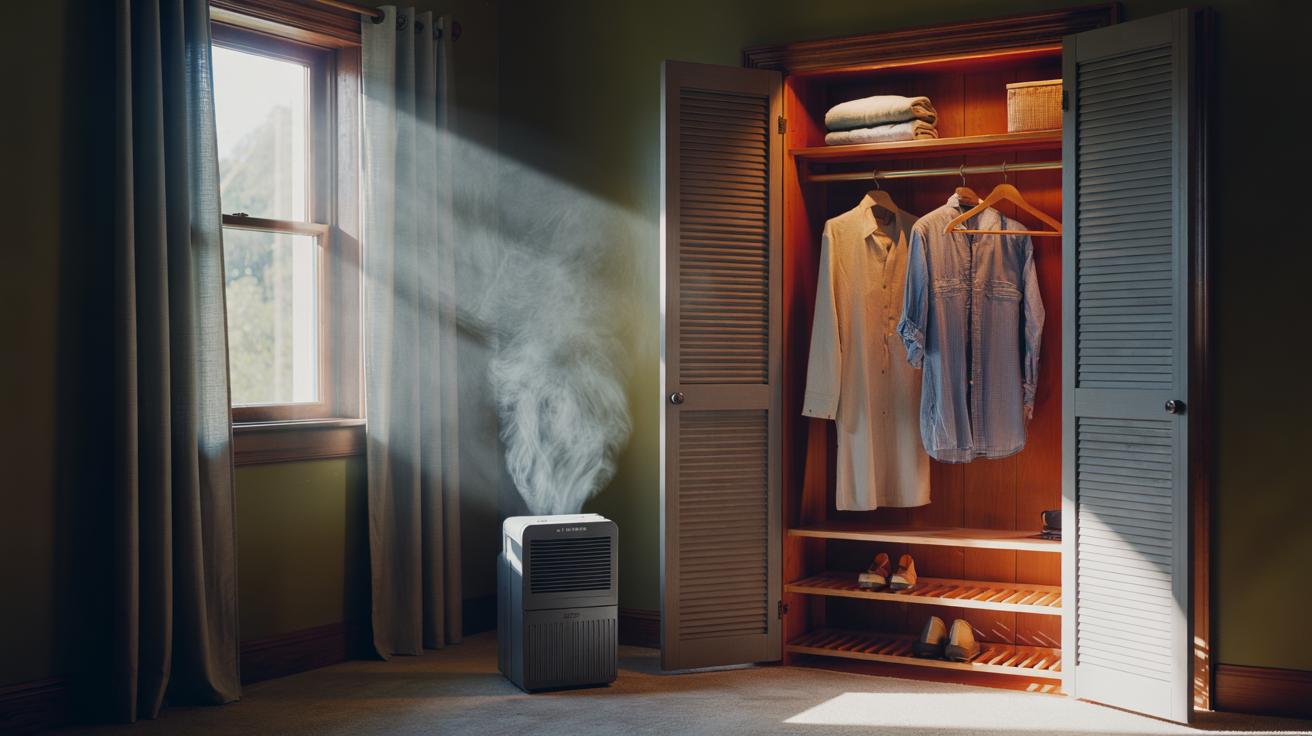
Open a wardrobe and the first thing you notice should be fabric, not a stale tang. That unwelcome odour is a symptom of trapped damp, a problem that quietly thrives in closed cupboards, thick textiles, and British weather. The fix is pleasingly simple: a repeatable airing routine that supports ventilation and controls moisture. By managing airflow, spacing garments, and timing openings with the climate outside, you can stop condensation before it forms and keep fibres fresh. Never put items away until they are bone-dry, and treat the wardrobe as a microclimate you can regulate. What follows is a practical guide built on science, not scented sprays.
Why Wardrobes Smell Musty: The Science of Trapped Moisture
Inside a closed cupboard, warm air exhaled by rooms meets cooler timber and plasterboard. When surface temperature falls below the dew point, water vapour condenses, dampening linings and collars. Textiles act like sponges via capillary action, holding tiny reservoirs that feed mould spores and bacteria. Add darkness, limited air exchange, and densely packed coats, and you create a low-oxygen niche where odours flourish. Mustiness is not just a smell; it signals microbial activity and persistent moisture. The remedy hinges on promoting diffusion: allow humid air to escape and drier air to replace it before condensation occurs.
The metric to watch is relative humidity (RH). Aim for the cupboard to sit below 60% RH, ideally 45–55% RH, with room temperatures around 18–21°C. In this band, spores struggle to colonise cotton and wool, and the slow release of residual damp continues without re-wetting surfaces. Airflow is your primary control dial: crack doors, create a draft path, and let the pressure difference between rooms and windows do the heavy lifting.
A Weekly Wardrobe-Airing Routine That Works
Adopt a rhythm that turns airing into habit. Three times a week, open wardrobe doors fully for 20–30 minutes. Pair this with a window on latch to enable cross-ventilation. Slide hangers a finger-width apart so air can circulate around sleeves and seams. Rotate bulky items to the front during airing, then return them spaced and uncompressed. Keep the bottom clear: shoes drying under rails raise RH, so store them on an open rack. Place a small tray of silica gel or activated charcoal on a shelf, refreshing monthly. Never shut the doors until linings feel dry to the touch; speed beats fragrance every time.
Plan around daily life. After showers or cooking, moisture spikes: wait 30 minutes before closing cupboards near bathrooms or kitchens. Post-laundry, cool garments on an open hanger for an hour before stowing, especially knits and denim. Finish each airing session with a quick wipe of interior panels using a dry microfibre cloth to lift latent condensation. Consistency wins—short, regular exchanges of air outperform occasional deep-dries.
| Action | Frequency | Target/Duration |
|---|---|---|
| Open doors and a window | 3× weekly | 20–30 minutes |
| Space hangers | Daily | 1–2 cm gaps |
| Desiccant refresh | Monthly | Replace or regenerate |
| RH check (hygrometer) | Weekly | < 60% inside cupboard |
Ventilation Tools and Small Upgrades
A few unobtrusive tweaks amplify the routine. Swap solid doors for louvred panels or add discreet vent grills high and low to promote stack effect. Line the back panel with a breathable, wipeable finish rather than plastic film, which traps vapour. Install adhesive door buffers to hold a 2–3 mm permanent gap—often enough to maintain gentle exchange without visual clutter. In persistently damp rooms, a desiccant dehumidifier running on a timer nearby keeps ambient RH in check, indirectly drying the cupboard as air cycles.
Textile choices matter. Use breathable garment bags for suits and gowns, not PVC sleeves that sweat. Opt for cedar or untreated wood hangers, which regulate micro-moisture better than slick plastic. Elevate shoes on a slatted shelf so soles can exhale. Drill only where safe and always add insect mesh over any new vents to block dust and moths. A pocket hygrometer placed on the top shelf provides instant readings, turning guesswork into data-driven care.
Laundry and Seasonal Habits That Keep Cupboards Dry
Your wash routine is the first line of defence. Spin garments at high speed, then allow a full cool-down before storage; fibres release residual vapour as they return to room temperature. Ironed shirts feel dry but carry steam—hang them open for 30 minutes. Avoid overfilling drawers, which compresses fabrics and restricts airflow. In shared households, set a simple rule: nothing damp goes behind a door. For wool and technical fabrics, use breathable bags that let the last traces of moisture escape instead of sealing them in.
Seasonality demands tweaks. In winter, heated evenings and cold nights create steep temperature swings; schedule airing late morning when walls have warmed. In summer, pick early hours when outside RH is lower. After holidays, unpack immediately—suitcase-stale garments introduce trapped humidity. Consider PIV (Positive Input Ventilation) if the home struggles with condensation; while it treats the whole property, cupboards benefit as room RH drops. Small changes, sustained over months, prevent odour rather than masking it.
Good ventilation is not a luxury; it is the simplest way to stop damp from colonising your clothes. A regular airing routine, smart storage, and modest upgrades yield a quiet transformation: fresher fabrics, longer-lasting garments, fewer surprises on a wet Monday. Treat the wardrobe as a living space that breathes, not a sealed box, and use humidity readings to guide your timing. Consistency turns physics to your advantage, replacing must with freshness. Which part of this routine will you adopt first, and how will you adapt it to your home’s quirks and the British weather outside?
Did you like it?4.4/5 (24)