In a nutshell
- 🔥 The envelope method uses physical cash split into labelled envelopes for variable spending, creating friction that curbs impulse buys and can cut unnecessary spending in half quickly.
- 🧭 Set up in one evening: keep fixed bills on direct debit, choose 4–7 core envelopes (e.g., Groceries, Travel, Petrol, Fun), withdraw weekly cash, and enforce no borrowing between envelopes.
- 📅 Follow clear rules: adopt zero‑based budgeting, run a weekly reset, let unspent notes roll forward, and build sinking funds for MOT, Christmas, and other lumpy costs with a quick photo audit.
- 🧩 Fix common pitfalls: adjust amounts if you run out midweek, merge categories to reduce faff, reconcile card spends with cash immediately, and carry only the day’s envelopes for safety.
- 🛰️ Go hybrid if needed: mimic envelopes with digital pots or a prepaid card, rename pots and move money manually to preserve friction, and use a couple-friendly split of cash envelopes and app-based sinking funds.
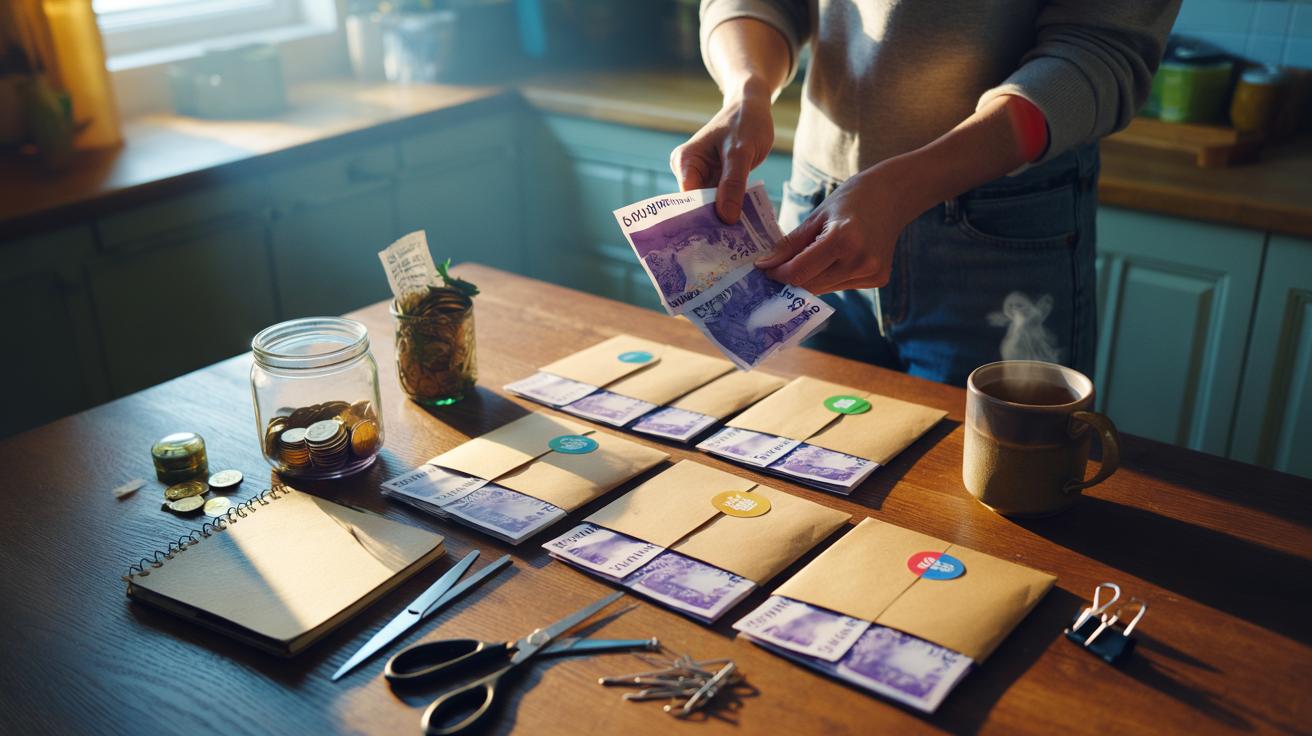
Britain’s best-known money coaches keep pointing to a deceptively simple fix for budget blowouts: the old-school envelope method. Swap taps for notes, split your weekly spending money into labelled envelopes, and stop when an envelope is empty. Behavioural economists love it because the friction of handing over cash makes every purchase intentional. Money experts say this no‑app routine can cut unnecessary spending in half almost instantly, especially across groceries, petrol, and takeaways. It won’t replace direct debits for rent or council tax, but for day‑to‑day choices it’s a reset that works in real life, without spreadsheets, subscriptions, or alerts you’ll just swipe away.
Why Envelopes Beat Apps for Everyday Spending
Apps record, envelopes prevent. With cash, your limit is visible, finite and awkward to overshoot, which is exactly the point. The brain treats cash as more “painful” to part with than card taps, so impulse buys drop. When cash runs out, spending stops—no revolving line of credit quietly extending the month. Experts stress this is most powerful for variable spending like food shops, coffees, kids’ bits, and entertainment. Keep fixed bills automated, but move the wobbly categories to notes. The result is less “where did it go?” anxiety and more control without extra admin.
There’s also a storytelling effect. An envelope labelled “Takeaways” or “Fun” forces a split-second values check at the till. You see trade‑offs in advance, not at month‑end. Every pound has a job before it leaves your purse, a practical form of zero‑based budgeting that wrings waste from routine purchases. In trials by UK coaches, households often report halving casual spend in the first fortnight simply by changing the medium.
How to Set Up the Envelope Method in One Evening
First, list your take‑home pay and subtract fixed bills paid by standing order: rent or mortgage, utilities, mobile, insurance, council tax. What remains funds variable life. Choose 4–7 envelopes that capture the bulk of leaks: Groceries, Travel, Petrol, Toiletries & Household, Kids/School, and Fun/Takeaways. Withdraw one week’s cash at the start of each week and fill the envelopes. Do not mix categories or dip between envelopes; that’s the guardrail that makes this work. If an envelope empties, you pause or plan around it rather than raid another pot.
Set a standing weekly reset—Sunday evening is popular. Count what’s left, note quick totals on the back, and refill for the coming week. Unspent cash rolls forward to cushion heavy weeks, not to fuel splurges. Keep a small coin sleeve for change to avoid jangly pockets. If safety worries you, carry only the day’s envelopes and store the rest in a safe place at home. The entire routine takes 10–12 minutes once set up.
What UK Money Experts Advise: Rules That Make It Work
Adopt a zero‑based mindset: every pound of your weekly cash gets assigned to a named envelope. No “miscellaneous” slush. Build sinking funds for lumpy costs—MOT and car insurance, Christmas, school trips—by tucking a small, regular amount into separate envelopes or bank “pots.” When the bill lands, you’ve pre‑paid it in slow motion. Experts also suggest a simple audit: take a photo of each envelope tally at reset time, so you can see trends without spreadsheets.
Agree a house rule: no borrowing between envelopes. If Groceries runs short, you meal‑plan from the cupboards and adjust next week’s allocation. Introduce a quick spending freeze—24 hours—on purchases above a personal threshold when an envelope is down to its last notes. And if cash makes you nervous in certain settings, combine this with a capped debit card for just one category, while keeping the rest in physical envelopes to preserve the friction that saves you money.
A One-Glance Table for Your Starter Categories
Start lean. Too many envelopes become admin, not clarity. Most households get 80% of the benefit from five or six. Label them clearly and add a one‑line rule to each. The aim is not punishment but visibility: you decide in advance what “enough” looks like, so there’s no late‑month panic. Clarity beats willpower. Use the table below to sketch your first set, then tune amounts after two weeks based on receipts and leftovers.
| Envelope | What It Covers | Reset Frequency | Pro Tip |
|---|---|---|---|
| Groceries | Food shops, market runs, basics | Weekly | Shop with a list; keep a small “basics” sub‑clip |
| Travel | Bus, train, parking | Weekly | Top up early in the week to avoid card taps |
| Petrol | Fuel only | Weekly | Fill once per week; avoid mini top‑ups |
| Toiletries & Household | Cleaning, loo roll, shampoo | Fortnightly | Bulk‑buy staples, keep receipts clipped inside |
| Fun/Takeaways | Cafés, meals out, streaming rentals | Weekly | Stop when it’s empty—no roll‑forward raids |
| Sinking Fund: Car & MOT | Service, MOT, insurance excess | Monthly | Park this at home; don’t carry it around |
| Sinking Fund: Gifts & Christmas | Birthdays, holidays, school fairs | Monthly | Buy early in sales with cash from this envelope |
Review the mix after two cycles. If an envelope always overflows, skim to a sinking fund. If one empties midweek, increase it modestly and cut a lower‑value category. The system is meant to adapt as prices shift, but the core rule stands: cash limits choices before impulse does.
Common Pitfalls and Smart Fixes
Running out midweek usually signals amounts set too low or impulse creeping back. Solve it by planning meals around what you already have and moving your reset day earlier. Coins building up? Keep a labelled jar and swap for notes at the post office. Too many categories? Merge into a single Household envelope to reduce faff. If carrying cash worries you, take only that day’s envelopes and photograph totals at home to maintain accountability without risk.
Another trap is “budget drift” after a social weekend. Pre‑decide your treats envelope and invite friends into the plan: suggest free alternatives or earlier meet‑ups to dodge peak prices. Don’t sabotage the system by secretly topping up with your card. If you must use plastic—at a petrol pump, for instance—pay from the relevant envelope as soon as you get home, removing the notes to reconcile the spend. The ritual matters; it’s what drives the halving of waste.
From Cash to Card: Digital Tweaks Without Losing Control
Going fully cashless? Mimic envelopes with bank pots or a prepaid card split into sub‑wallets, and switch on instant spend alerts. The key is to preserve friction: rename pots with verbs—“Cook at Home,” “Weekend Bus”—and move money manually on your reset day. Delay is a feature, not a bug; the pause recreates the “counting notes” effect that makes choices feel real. Keep one category—often Groceries—in physical cash to anchor behaviour even if others go digital.
Hybrid setups work well for couples. One partner handles cash envelopes for food and household, the other manages sinking funds in bank pots. Sync weekly in five minutes: compare envelope tallies with app balances, adjust, and agree any changes. Visibility beats blame. If you fall off the wagon, restart next week with smaller amounts—momentum matters more than perfection. The envelope method’s elegance is its edge: no subscriptions, no learning curve, just limits you can hold in your hands.
The envelope method endures because it blends psychology with practicality. By assigning notes to named jobs and refusing to borrow between them, you build habits that outlast willpower and apps alike. It is the fastest way to see where your money actually goes—and to stop what doesn’t matter. Start with five envelopes, a weekly reset, and a promise to follow the rules for two weeks. What would change in your spending if every pound had to pass through your fingers before it left your budget?
Did you like it?4.7/5 (20)