In a nutshell
- 🌿 The towel-drying method wicks excess water from pots via capillary action, restoring oxygen around roots and preventing root rot from pathogens like Pythium and Phytophthora.
- 🧻 Rescue steps: gently slide out the plant, wrap the root ball in clean cotton/microfiber towels (20–90 minutes), avoid squeezing, trim mushy roots, and repot into a free-draining mix with perlite or grit.
- 🛠️ Prevention setups: use a cotton wick through the drainage hole, place a towel under the pot briefly post-watering, or sit plants on a capillary mat; monitor duration and remove towels to avoid chilling and persistent damp.
- ⚠️ Hygiene and risks: always use clean, unscented, dye-fast towels; avoid fabric softeners; don’t overuse the method; note exceptions for succulents and orchids, which prefer airflow over wrapping.
- 💡 Long-term care: prioritise drainage, airy substrates, pot feet, and watering by weight—especially in cool UK winters—to keep roots oxygenated and growth steady.
Every gardener has faced it: a prized basil or fern slumps overnight, roots drowning in a pot that’s stayed wet for far too long. The fix isn’t always high-tech. It’s a towel. The towel-drying method—simple, decisive, oddly elegant—uses fabric to wick excess moisture from compost and containers before root rot takes hold. Capillary action does the heavy lifting while you stay hands-off. It’s part rescue, part prevention. Used properly, a towel can reset a soggy pot without ripping roots or baking soil on a radiator. Here’s how British growers, from allotments to windowsills, put it to work and keep plants breathing.
What Is the Towel-Drying Method?
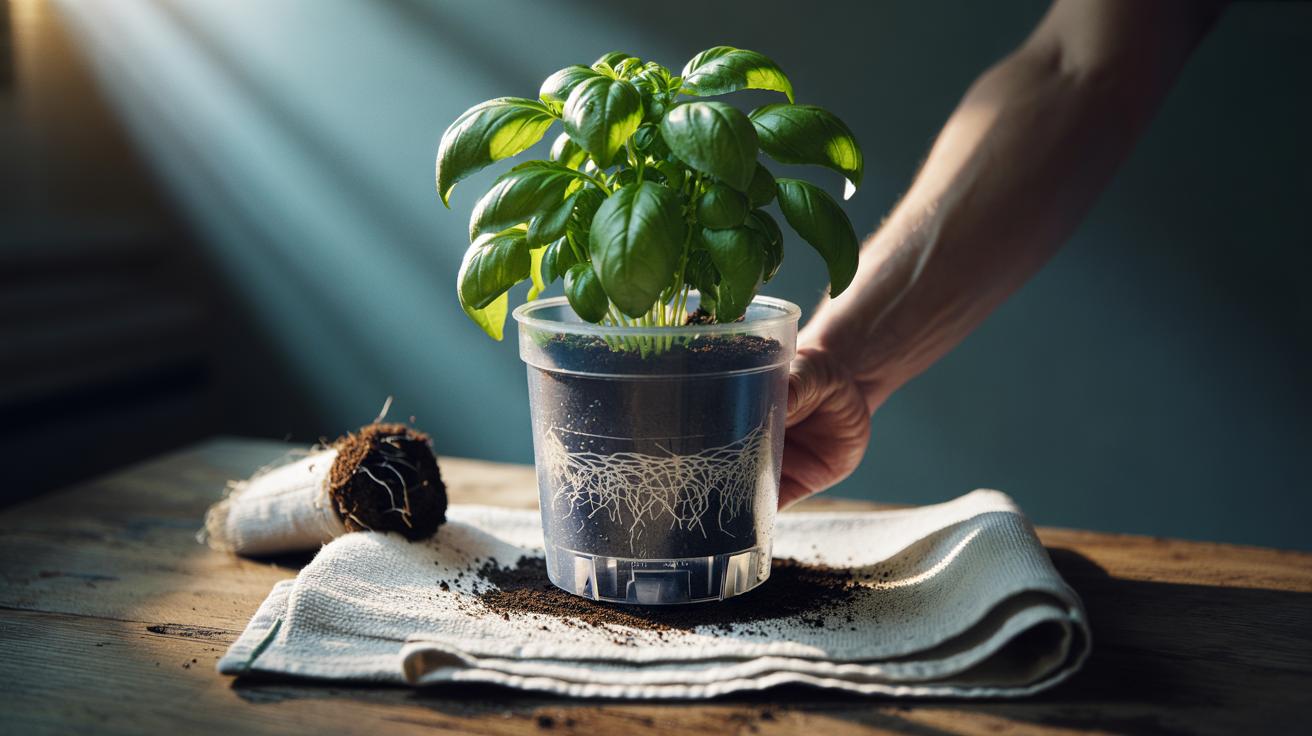
The towel-drying method is a set of fabric-based wicking tricks that pull water out of saturated pots and root balls. Two flavours exist. First, the emergency “blot-and-breathe” approach: remove the plant, wrap the root mass with a clean cotton or microfiber towel, and let capillary action draw out excess moisture. Second, the passive “wicking stand”: rest the potted plant on an absorbent towel so water is pulled from the drainage hole.
Why it works is simple physics. Water moves along fibres from wetter media to drier fabric, reducing waterlogging and restoring oxygen around roots. Roots need air as much as water. By lowering saturation swiftly, the towel interrupts the conditions that allow Pythium and Phytophthora—the classic rot pathogens—to explode in soggy, stagnant compost.
It’s gentle, cheap, and reversible. No heat guns, no frantic repotting into bone-dry mixes that shock plants. And, crucially, it buys time. After 30–90 minutes of wicking, you can reassess moisture and decide whether to prune, repot, or simply elevate the container on pot feet to improve drainage.
Step-by-Step: Saving a Waterlogged Pot
First, act calmly. Move the plant to a bright, ventilated spot out of direct midday sun. Slide the root ball out by supporting the stem base. If compost collapses, don’t panic. Do not squeeze the root ball like a sponge; that compacts particles and crushes fine feeder roots. Instead, lay two clean towels on a tray. Wrap the root ball with the first, then add the second to increase surface contact.
Let the bundle sit 20–30 minutes. Unwrap and feel the compost. If it’s still heavy and glistening, switch to a fresh dry towel and repeat once. Inspect roots: tan to white is healthy; brown and mushy strands signal rot. Trim only obviously dead sections with sterilised snips. Dusting cuts with a light sprinkle of cinnamon or a targeted fungicide can help, though the real cure is oxygen and moderation.
Rehome the plant into a pot with a clear drainage hole and a free-draining mix—think peat-free compost amended with perlite or horticultural grit. For the first 24 hours, set the pot on a folded towel to wick from beneath. Never leave the towel there indefinitely; remove once the pot feels just moist. Resume watering by weight: water thoroughly, then wait until the container is noticeably lighter before the next drink.
Wicking Setups That Prevent Future Rot
Prevention can be elegantly low-tech. Thread a 2–3 cm wide strip of cotton through the pot’s drainage hole so it dangles into a lower saucer or bucket. Water that collects will be pulled away, maintaining a safer moisture balance. Alternatively, keep a folded towel beneath newly potted, overwater-prone plants for the first day post-watering, then remove. Pair these with pot feet or an upturned trivet to create an air gap under the container.
Here’s a quick guide to common setups and when to use them:
| Setup | Best Use | Typical Duration | Tip |
|---|---|---|---|
| Cotton wick through drainage hole | Humid rooms; pots without feet | 1–3 weeks, monitor daily | Anchor wick with mesh to keep soil in |
| Towel under pot (post-watering) | After heavy rains on balconies | 4–24 hours only | Remove once pot feels lighter |
| Wrapped root ball rescue | Acute waterlogging indoors | 30–90 minutes | Change to a dry towel halfway |
| Capillary mat on bench | Mixed houseplant collections | Ongoing | Keep mat cleaner than you think |
Capillary action does the work, but vigilance does the rest. Test by touch and by weight. In cool British winters, scale back watering, as evaporation slows and towels will do less heavy lifting once you’ve learned your plant’s rhythm.
Risks, Hygiene, and When Not to Use
Towels are tools, not magic. They can wick nutrients along with water. They can spread disease if dirty. Always use clean, dye-fast, unscented cloths, laundered hot. Avoid fabric softener residues; they repel water and reduce wicking efficiency. Sterilise blades before trimming roots. If rot smells sour or fishy, isolate the plant, wick once, then repot fully into fresh mix.
Be species-savvy. Succulents and cacti prefer to dry unaided in warm air; towel wraps trap chill around their roots in winter. For orchids in bark, wicking may remove too much moisture from the fine root cortex; use a fan and patience instead. And never run the towel method for days on end, which can keep compost marginally damp and cool—exactly what rot enjoys.
Think environment. In unheated conservatories, combine brief towel wicking with better drainage: add grit, drill extra side holes in nursery pots nested inside sleeves, and lift containers off cold floors. Water less than you think in December and January. The long-term cure for root rot is airy mix, adequate light, and a watering routine anchored in observation rather than habit.
The towel-drying method is a humble, effective way to stop a wet mistake becoming a fatal one. It protects oxygen-starved roots, counters pathogen pressure, and buys you time to correct potting and watering habits. Keep a stack of clean cottons in your shed or under the sink, and you’ll rescue more plants than you lose. As the seasons shift and light levels change, will you trial a wick, a capillary mat, or a simple post-watering towel to keep your pots in that sweet, breathable zone?
Did you like it?4.5/5 (30)